

COMPLETE MOVING SUPPORT · CROFTON PARK
Man and Van Crofton Park with the actual route measured
Lewisham’s Crofton Park profile describes a compact neighbourhood around a parade, station and residential streets. That mix makes an exact address and usable furniture entrance more helpful than an area name alone. A flat over shops may have a side stair, while a nearby house can add a garden store and a longer path to the street. BestMove can discuss a few items, a household load or a furniture purchase once both addresses, the contents and the legal vehicle positions are known. Check the present signs for any bay or loading place and measure doors and turns at both homes before deciding how a bulky item can travel.
THE SCOPE BEFORE THE QUOTE
Crofton Park details worth giving to every mover
| Topic | Information to supply | What to decide |
|---|---|---|
| Entry | Actual door, stairs and lift | Carrying path |
| Contents | Furniture and box count | Capacity and handling |
| Parking | Signs and proposed bay | Lewisham approval |
| Preparation | Packing and dismantling | Included work |
| Delivery | Keys and room plan | Unload sequence |
Identify the doorway behind the address
A property near the Crofton Park parade can have a residential access door separate from the shopfront. Give its actual location, floor and any steps or shared corridor. A house may use a front path, while stored belongings leave through a rear gate. Walk each route to the place a van can stand lawfully, noting any crossing or awkward turn.
Ask a block manager whether a lift, shared door or loading period must be booked. The receiving address needs the same enquiry. A short journey to Brockley or Honor Oak cannot compensate for an unmeasured stair at delivery. Photographs with a tape in view are more useful than calling the entrance ‘ordinary’.
Make the load visible before choosing a vehicle
List sofas, beds, wardrobes, appliances and desks one by one. Measure pieces that do not fold, and note fragile glass, stone or delicate finishes. Count packed cartons, luggage, bicycles and contents of lofts, sheds and storage cages. A small flat can still contain many boxes; a house can add items well beyond its living rooms.
For a selected load, explore man and van help. A full household should be scoped through home removals. Mark belongings that stay and revise the list after packing. The vehicle and handling plan should reflect real items and carrying distances, not the number of bedrooms alone.
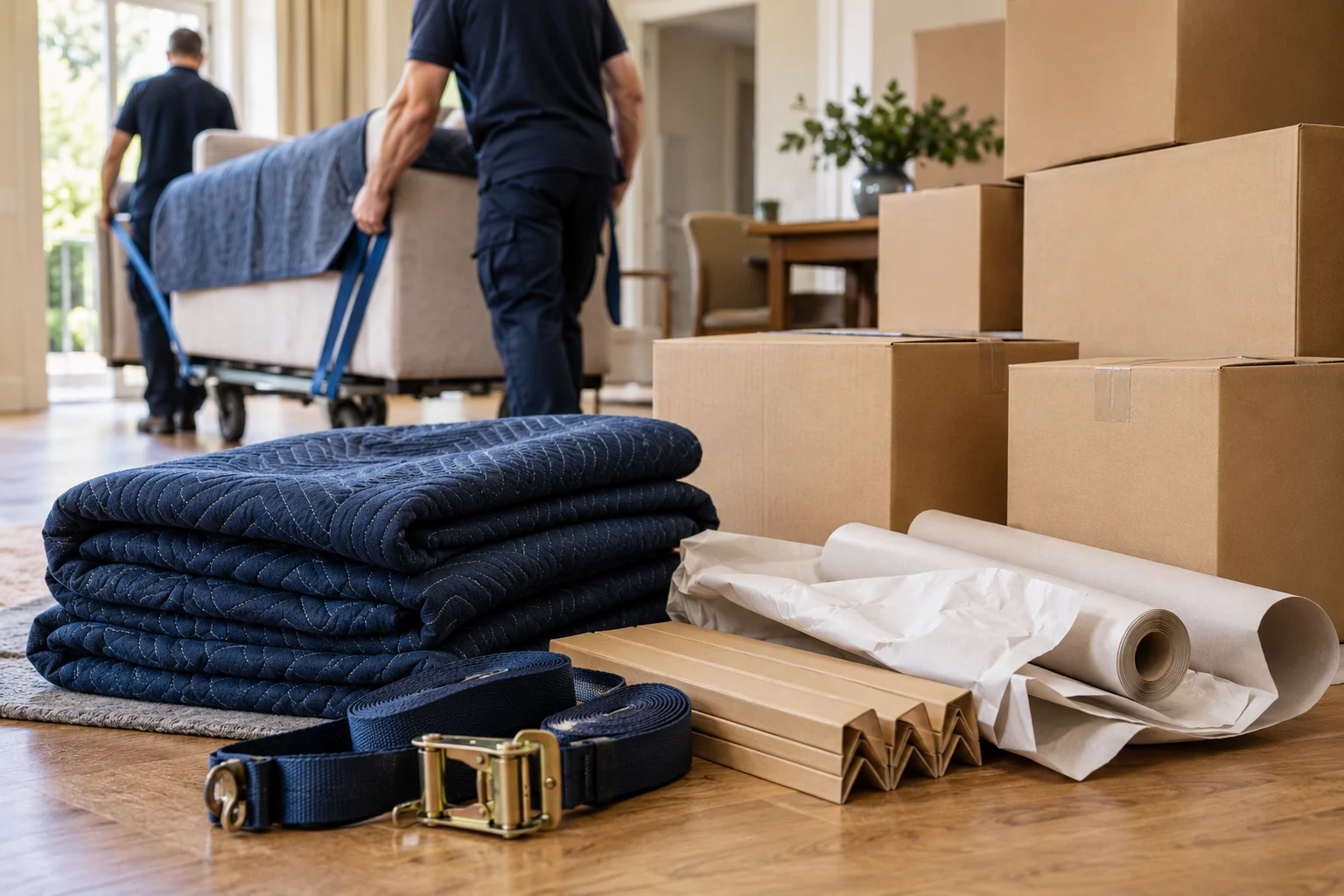

PROTECTION & EQUIPMENT
A measured carry from doorway to secured load
Use Lewisham’s kerbside information
Lewisham Council publishes ordinary loading guidance and a process to suspend a bay; its policy recognises domestic removals as a possible reason for temporary reservation. Check current signs at the exact road, whether the vehicle needs a reserved space and how long loading may take. A shopper bay or station car park should not be treated as a free removal slot.
Agree who applies for any suspension and passes approval details to the mover. A private drive or estate court needs permission from its owner or manager. If the nearest lawful stop is not beside the door, measure the extra carry. At the destination, check a fresh set of signs and the correct authority rather than extending the Crofton Park assumption.
Examine the stair before moving large pieces
Measure the full width and depth of a sofa, including arms and legs, and compare it with doorways and turns. Check lift openings as well as the lift car. A cabinet may fit inside a room but not around a stair landing. Note any low ceiling or gate that restricts the route from store to vehicle.
Follow the maker’s instructions for furniture designed to dismantle, photograph connections and label its fixings. If rebuilding is wanted, discuss furniture assembly with the item list. Identify fragile materials and protection needs in advance. The receiving property can be the tighter end of the journey, so measure there too.
Pack for a clean passage to the van
Use smaller cartons for dense books and cushion crockery or glass so it cannot shift. Close each box and mark where it belongs at delivery. Keep hallways and stairways clear for large furniture. In a shared building, ask where packed items may wait without obstructing other residents.
For supplies or help with specific rooms, enquire about packing and boxes delivery. Say what will be ready before the team arrives. Carry medicines, documents, keys and immediate essentials separately. Recount cartons after the final cupboard and garden store have been emptied, then send the revised total.
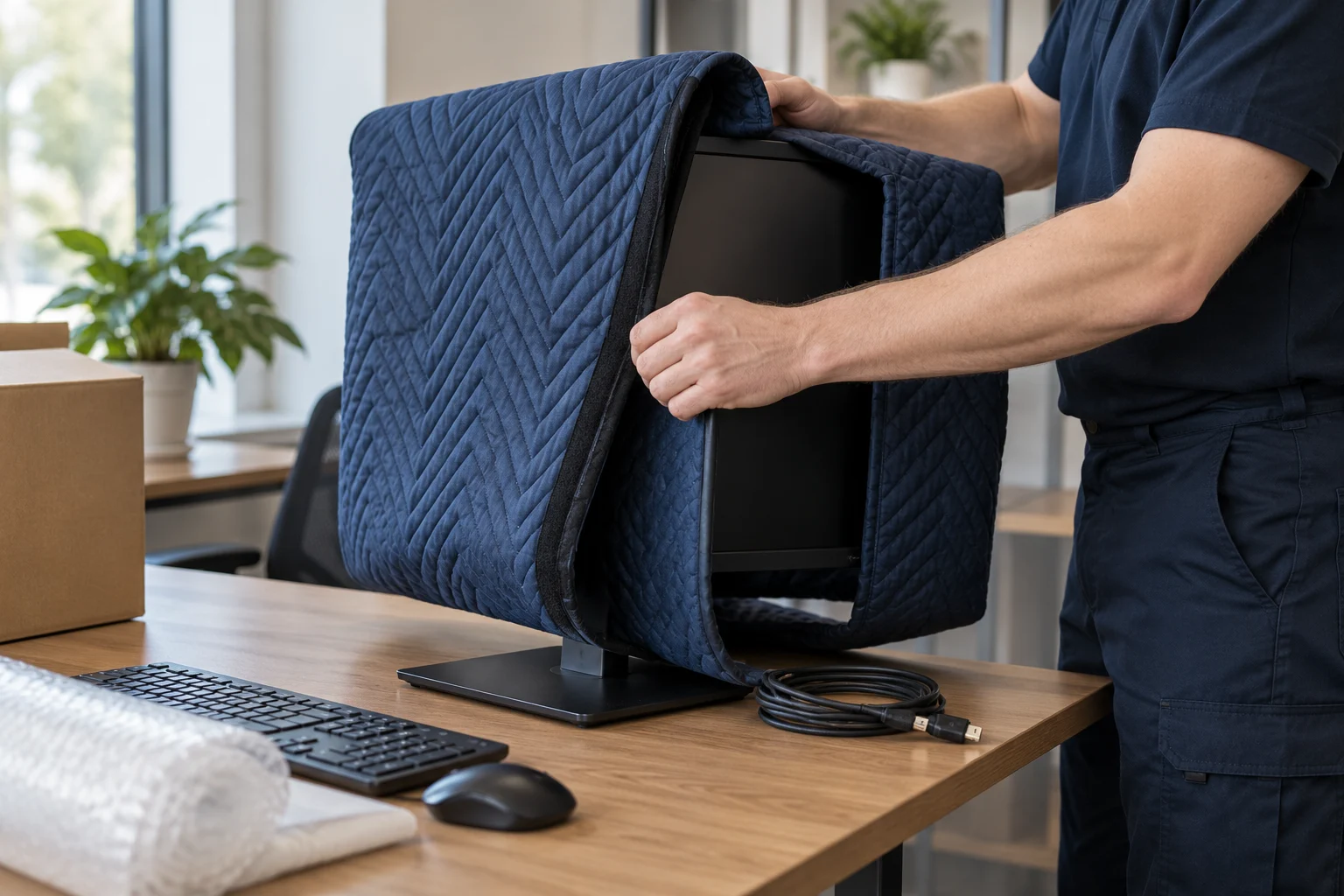
Treat a furniture purchase as two jobs of access
Ask the seller for the actual release door, contact number, floor, item dimensions and collection window. Find out whether a desk or table is wrapped or partly dismantled. A seller near a parade may use a rear entrance, and a private resident may have no one available to help lift the piece.
For one purchase, furniture delivery can be discussed with both addresses and carrying routes. Give the receiving room and any doubtful door measurement. If belongings must be held between addresses, ask about storage as a separate stage with collection and return dates.
Build a quote around the real work
Send the full addresses, moving date, final inventory, floor levels, carrying distances and proposed lawful stops. Mention a key time, building booking or bay request that is not yet confirmed. Ask how waiting, an added item or a different stop would change the work. The opening Crofton Park checklist helps identify what must be agreed.
Check whether cartons, furniture dismantling, protective materials and third-party parking charges are included. Note who is responsible for each permission and who will be present to open the destination. A clear written scope makes it possible to compare proposals without relying on a vague ‘small Crofton Park move’ label.
Finish with a two-property check
At collection, show what remains and clear the authorised path. When loading is complete, inspect cupboards, loft, shed and behind doors. Keep keys and cleaning materials available for handover. Tell the mover promptly if the approved loading place or gate changes.
At delivery, position bulky pieces before cartons crowd the entrance. Send marked boxes into the right rooms and place fittings with the furniture they belong to. Compare the delivered contents with the final list while the team is still there. An available decision-maker helps settle placement questions before the vehicle departs.
THE PRACTICAL QUESTIONS
What to confirm before booking.
Is the shopfront always the moving entrance near Crofton Park station?
No. Give the actual residential door and any side or rear approach; the postal frontage may not be suitable for furniture.
Can a Lewisham bay be suspended for a removal?
The council’s policy allows suspensions for domestic removals in appropriate circumstances. Check the precise bay and obtain approval.
Should a rear shed be included in the list?
Yes. Add its contents and describe gates, steps and distance from a legal vehicle stop.
What if a sofa fits the front door but not the stair?
Measure the whole route, including landings and turns, before a carrying method is agreed.
Can one item be collected from a seller?
Give the seller’s release details, furniture size and condition, and access and unloading information at the receiving property.
What makes a Crofton Park quote accurate?
Both complete addresses, date, final item list, floor levels, legal stops and requested packing or furniture work.
EXISTING NEARBY AREA PAGES
Plan the next part of the journey.
TELL US THE DETAILS
Move with a plan that fits your Crofton Park address.
Have both addresses, your preferred date, item list and access details ready. Call BestMove to discuss the work and request a quote.