
THE BESTMOVE JOURNAL
Moving advice for London homes and workplaces
A useful moving guide helps you make a decision or notice something you might otherwise miss. This advice library brings together topics around home and office relocation, packing, furniture, storage and the practical preparation of a London move. Start with the subject closest to your current question, then connect that reading to your own inventory, property access and booking arrangements rather than treating a general article as a complete plan.

Choose an article by the decision in front of you
You do not need to read every moving article in a fixed order. Begin with the task that is holding up your plan: estimating the load, preparing fragile contents, coordinating an office or bridging a gap between properties. Reading is most useful when it leads to a specific question you can answer or raise with the service provider. Keep brief notes as you go, distinguishing advice that applies to your circumstances from examples that do not. Our article on planning a relocation is one starting point for a broad view, before you turn to the service information that matches the work you intend to book.
Use packing advice to improve the inventory
Packing is not simply the last task before the van arrives. It is also a chance to understand what you own, decide what will move and identify the contents that require particular care. Sort before estimating materials so boxes are chosen around the load rather than used to contain unsorted possessions. Look for practical advice about weight, cushioning, labelling and keeping essentials accessible. The guide to packing preparation for London moves can prompt those decisions. Record fragile items and awkward pieces as part of the inventory, and make clear which preparation you will handle yourself when discussing the service you need.
Read workplace advice with your building rules beside it
Office articles are helpful when they connect people, equipment and the new layout. A move coordinator needs an inventory that departments can recognise, together with clear responsibilities for packing and technical preparation. Keep building access rules in the same plan: goods lifts, loading windows and reception procedures can affect the order of work. Our office relocation planning article offers a route into the subject. Apply general suggestions to your own workplace rather than assuming the article establishes a timetable or specialist service. Confidential records, IT systems and other organisational responsibilities still need named owners and arrangements suited to the actual business.
Furniture advice begins with dimensions and construction
A furniture move can involve transport, access, dismantling, protection and assembly, which are related but distinct tasks. Measure the item and the route it must pass through, then check instructions before deciding whether parts can be removed. Do not let a general tip replace the manufacturer’s information, particularly where stability or wall fixings are involved. The article on furniture delivery and assembly preparation is useful for identifying questions. Keep photographs, model references and fittings associated with the correct piece. When requesting work, say which part of the process you want help with rather than assuming every task follows from a single service title.
Use storage reading to test the whole arrangement
Storage advice should help you think beyond getting belongings out of the current property. Consider how long the items might be away, whether you will need access and how later delivery will work. An inventory is useful for retrieval as well as collection, especially if similar boxes or furniture are stored together. Our article about storage and cleaning around a move brings related planning questions together. Check the actual proposal for accepted contents, access, notice and charging terms. General advice does not establish the conditions of a particular storage service, and a home move should not leave those practical matters unresolved.
Plan the end of the old tenancy as carefully as departure
Moving belongings, cleaning the property and handing over keys need a workable order. Reading across those subjects can help you see where one task depends on another, such as a room needing to be cleared before its surfaces can be cleaned. Keep the cleaning scope separate from the removals scope and do not infer a deposit outcome from a cleaning appointment. The article covering furniture and cleaning preparation can prompt useful handover questions. Read your own tenancy and check-out instructions too. An article can suggest what to ask, but it cannot decide the condition requirements or responsibilities agreed between the relevant parties.
Turn reading into a service enquiry
Once you have identified the parts of the job, make a brief that describes the load, the addresses, access and the help you want. Use service pages to check the scope you need to discuss instead of assuming a blog post is an offer or a binding description of inclusions. Compare home removals with man and van for different load arrangements, and explore packing and boxes delivery where preparation is part of the enquiry. Ask for the actual tasks and charging terms in writing. For smaller loads, the man and van advice collection brings the relevant guides together. The most useful result of reading is a clearer conversation about your particular move, not a copied checklist that leaves important details unstated.
Keep an advice checklist short enough to use
Create a working list with the decisions still outstanding, the person responsible and the information needed. Remove items that do not apply so the important tasks remain visible. Update the list when you learn about a new access restriction, add furniture or change the date. The final booking should remain the reference for agreed work, while your notes help organise preparation around it. Read more where a question remains unresolved, and ask the relevant person rather than guessing. Our contact guide sets out the information worth having ready before calling 020 3404 5162. General advice can support the plan, but availability, price and service arrangements still require confirmation.
Questions worth asking.
Where should I start if I have not moved before?
Start by making an inventory and gathering information about both properties. Read the subjects that explain the questions you cannot yet answer, such as packing quantities, access or furniture preparation. Keep a short list of decisions rather than trying to follow every article at once. Once you can describe the work, discuss the appropriate service and ask what still needs confirming.
Are the articles a description of what my booking includes?
No. Articles provide general preparation ideas and explain topics around moving. Your agreed written scope and charging terms establish what has been booked. If an article mentions packing, assembly, storage or another task, ask whether that work is included in your particular proposal. Do not treat an example or checklist as confirmation of a service, date or price.
How can I use a moving checklist without overlooking my own circumstances?
Adapt it to the property, inventory and access you actually have. Add items such as lift bookings, keys, a seller’s collection window or a gap between addresses. Delete irrelevant suggestions so the list remains usable. Review it with the people involved, and keep clear responsibility for decisions that require a building manager, service provider or another party to respond.
Should office and home moves use the same advice?
Some preparation principles overlap, including inventories, labels and access checks. Offices also need coordination around departments, equipment, records and building procedures, while homes have their own household and handover needs. Choose articles that match the work and apply the relevant ideas carefully. A general guide should not replace specialist arrangements for IT, confidential records or unusual belongings.
What if an article leaves me unsure about a particular item?
Gather the item details, photographs, dimensions and any manufacturer instructions, then raise the question before booking. Explain what you need done and which part remains uncertain. Avoid improvising a handling or assembly method because it resembles an example you have read. The suitability and scope of the actual work should be discussed using the facts of the item involved.
CHOOSE YOUR NEXT GUIDE
Moving advice, by subject.
-
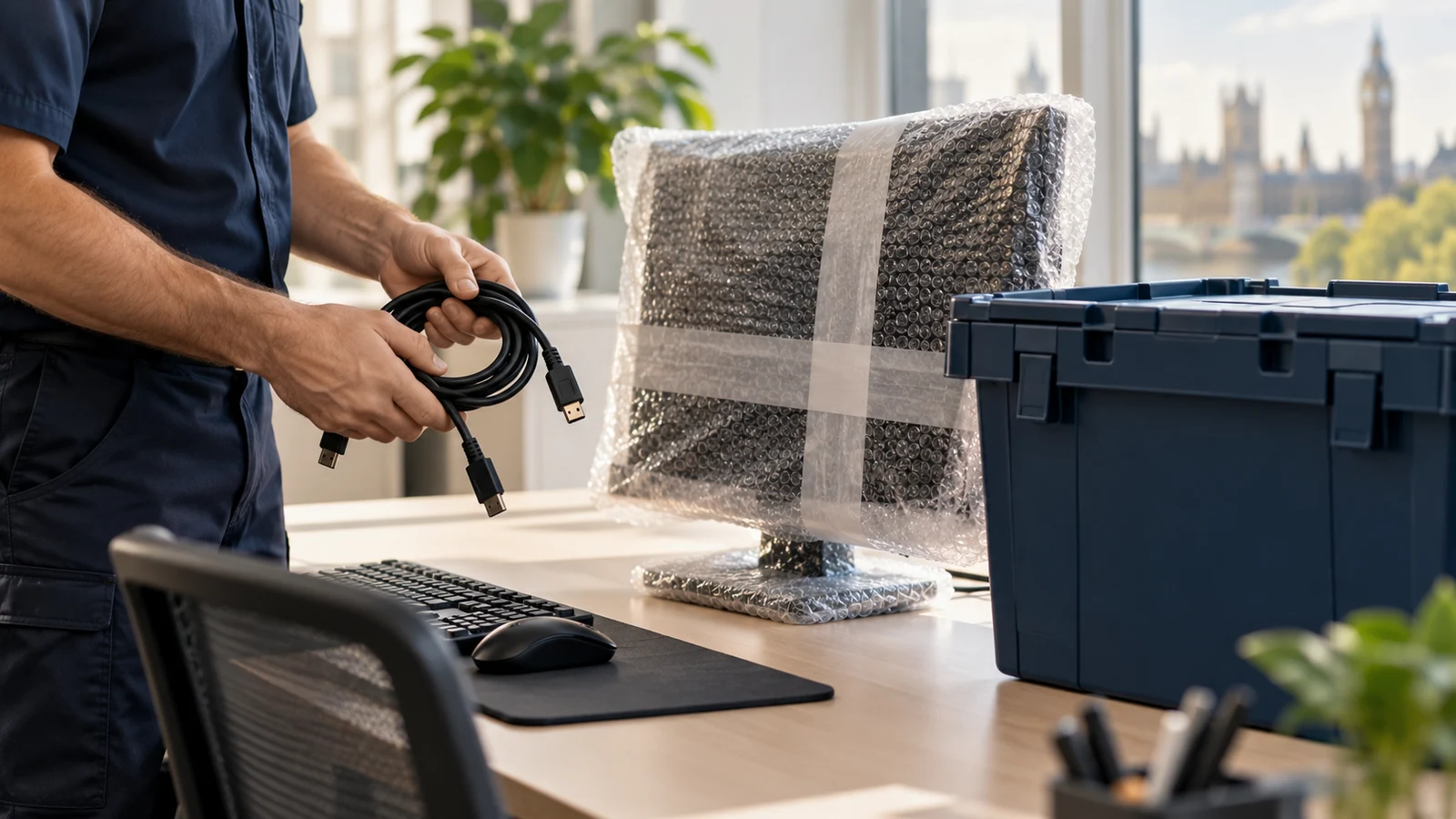
Office move continuity: people, devices and checks
The furniture can arrive on time while staff still cannot do their jobs. A useful office continuity plan connects devices, working arrangements, access and…
-

Moving house when key handover is uncertain
A moving date does not always mean you know exactly when the new front door will be available. Completion, tenancy access and key collection…
-

Storage and cleaning: plan the property handover
A gap between tenancies can turn one moving date into several connected appointments. Furniture may need collecting before cleaning can start, while access to…
-

Will it fit? Measure for a furniture delivery
Buying furniture is only part of getting it into the right room. A sofa can fit the lounge yet fail at a tight stair…
-

Pack fragile belongings with a clear box plan
Fragile packing works best when the container, protection and handling information are planned together. Writing a warning on a box cannot compensate for loose…
-

Moving hygiene: inspect, isolate and pack carefully
Packing brings seldom-used cupboards, stored fabrics and second-hand furniture into view. It is a sensible time to check belongings and keep clean items separate…
-

Furniture assembly around a tenancy change
Furniture work can sit awkwardly between the last night in one home and the first night in another. Beds are still needed, cleaning needs…
-
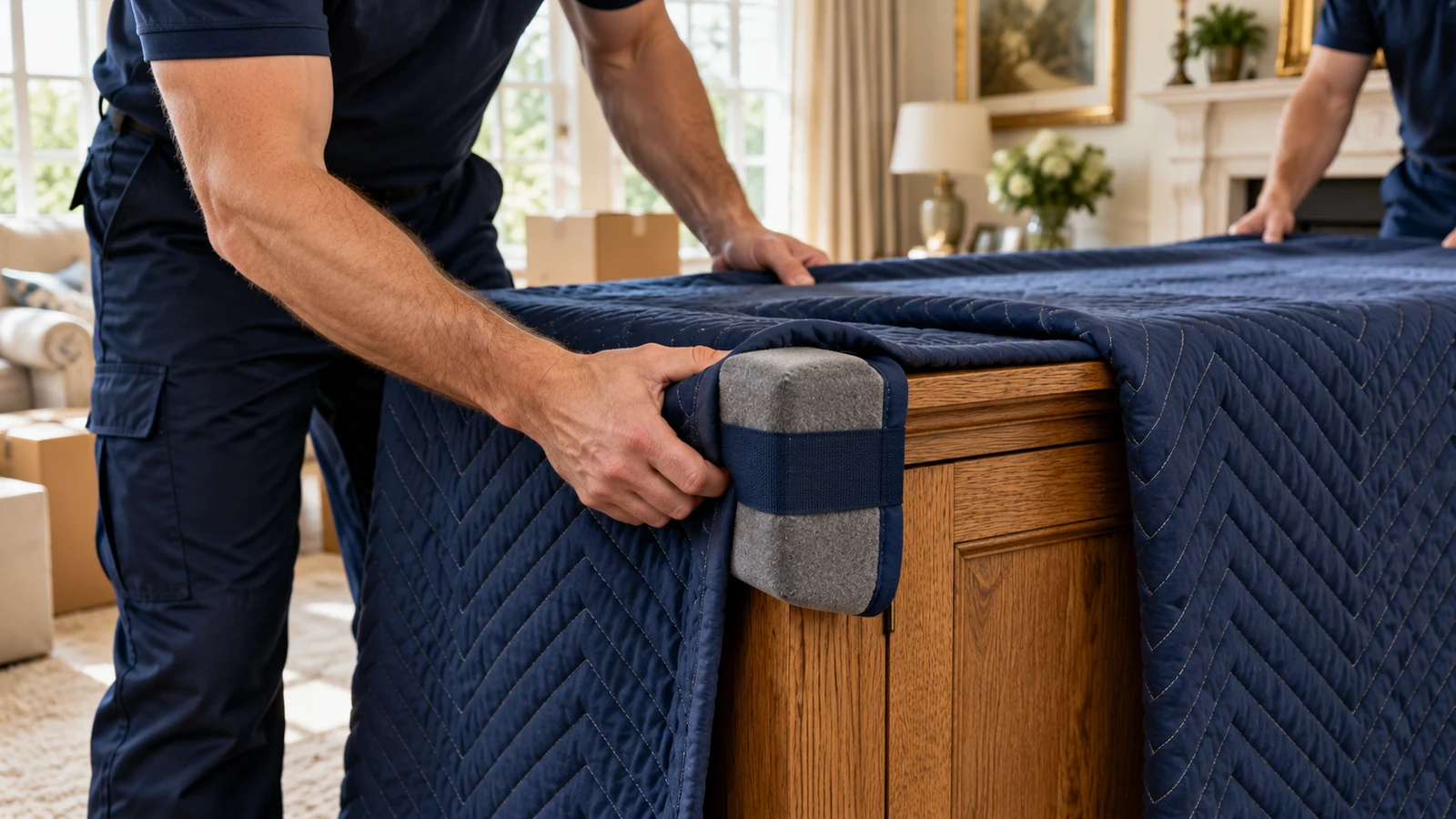
Furniture storage: build an inventory that works
A useful storage inventory does more than list the furniture leaving your home. It helps you decide what deserves the space, organise collection, find…
-

Office relocation: a practical project plan
An office move is a small project with several owners, not simply a larger furniture collection. Property access, equipment, staff decisions and delivery priorities…
-

A practical plan for your moving week
Moving week becomes easier to manage when decisions have owners and the order of work is clear. This guide concentrates on the final days…
LET’S DISCUSS THE DETAILS
Talk through your next move.
Have your postcodes, preferred date and item list ready. Call BestMove to discuss the service and the details that will shape your quote.