
COMPLETE MOVING SUPPORT · CATFORD
Man and Van Catford with the real loading route mapped
Catford’s town centre brings homes, shops, busy roads and two nearby rail stations into a compact area. Lewisham has an adopted town-centre framework and is considering changes around the A205, so a moving plan should use current street signs and the actual building entrance rather than an old route assumption. BestMove can discuss a furniture pickup, selected belongings or a complete household when both full addresses and the inventory are known. Identify whether the van will load beside a house, outside a block or from a shop service door. Measure the route through stairs, corridors and gates and check Lewisham’s parking arrangements before setting the collection window.
THE SCOPE BEFORE THE QUOTE
Catford questions to answer before the van arrives
| Work item | Information to give | What to confirm |
|---|---|---|
| Approach | Actual entrance and current route | Vehicle access |
| Inventory | Large pieces and cartons | Capacity and handling |
| Kerb | Signs and possible bay | Lewisham arrangement |
| Furniture | Dimensions and dismantling | Protection and assembly |
| Handover | Keys, extra stops and rooms | Timing and placement |
Check the town-centre approach on the actual date
Lewisham’s Catford framework and A205 work concern the town centre, but individual street access can change over time. Check the route to the precise property on the chosen date and inspect signs near its real loading entrance. A shopfront address may have a residential door around the corner. Give that door, not merely the nearest landmark or station.
Ask whether a private court, estate gate or manager-controlled access is involved. Confirm the contact and permitted vehicle dimensions. If the property is a house away from the town centre, survey its front path and any garden storage instead. A clear description of how the van reaches the property prevents wasted time circling a busy junction.
Give the load a useful shape
List beds, wardrobes, sofas, appliances and tables with dimensions for difficult pieces. Count cartons, luggage, bicycles and belongings held in a shed or storage cage. Mark fragile glass and unusual weight. The number of rooms does not explain whether a large item will need several people through a tight stair.
A partial load may suit man and van help; a whole property can be discussed through home removals. Say what stays, and update the list when packing finishes. If a purchase is to be collected on the way, include its dimensions and address rather than treating it as an incidental stop.
PROTECTION & EQUIPMENT
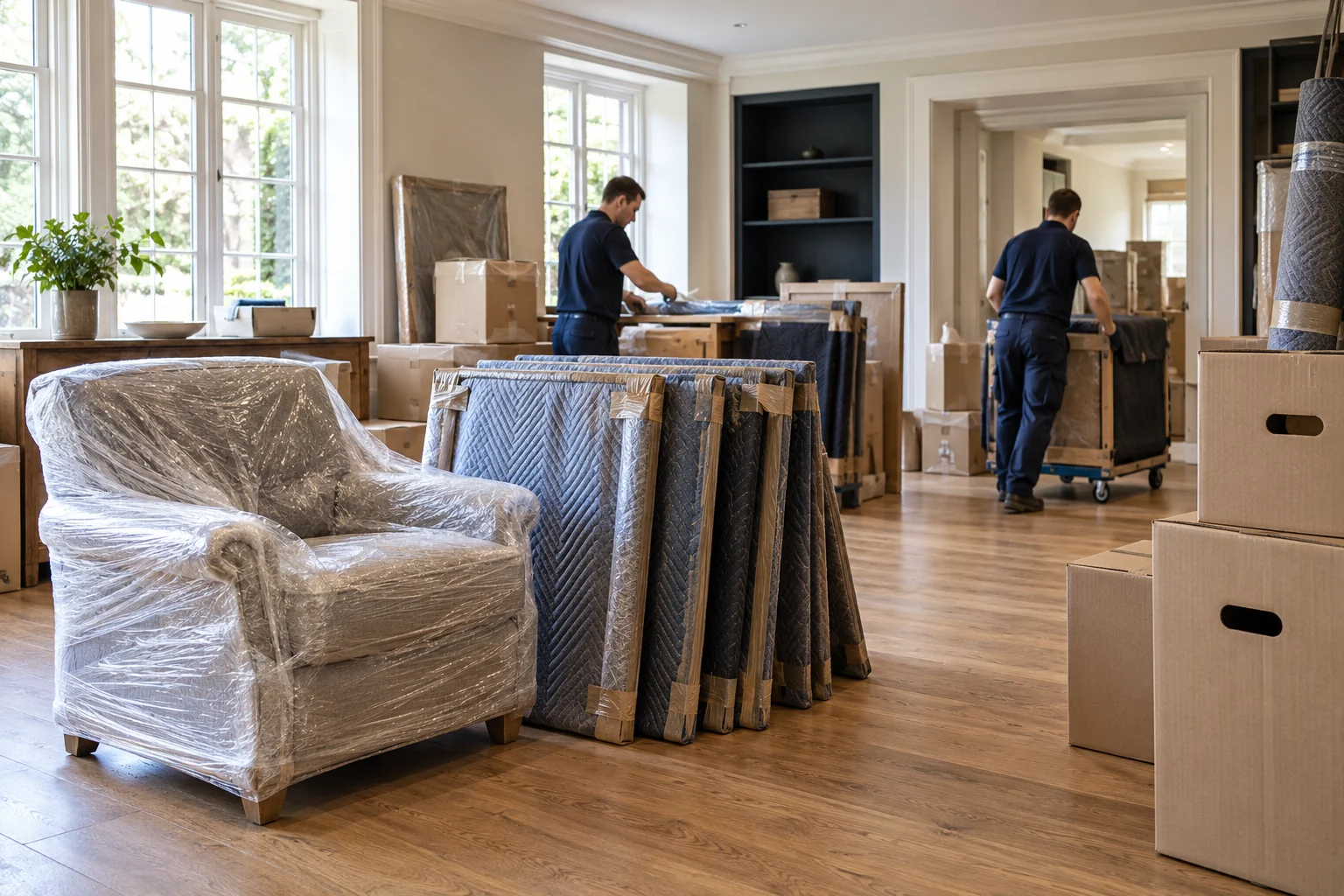
Packed belongings ready for the correct loading door
Inspect stairs, lifts and carrying distance
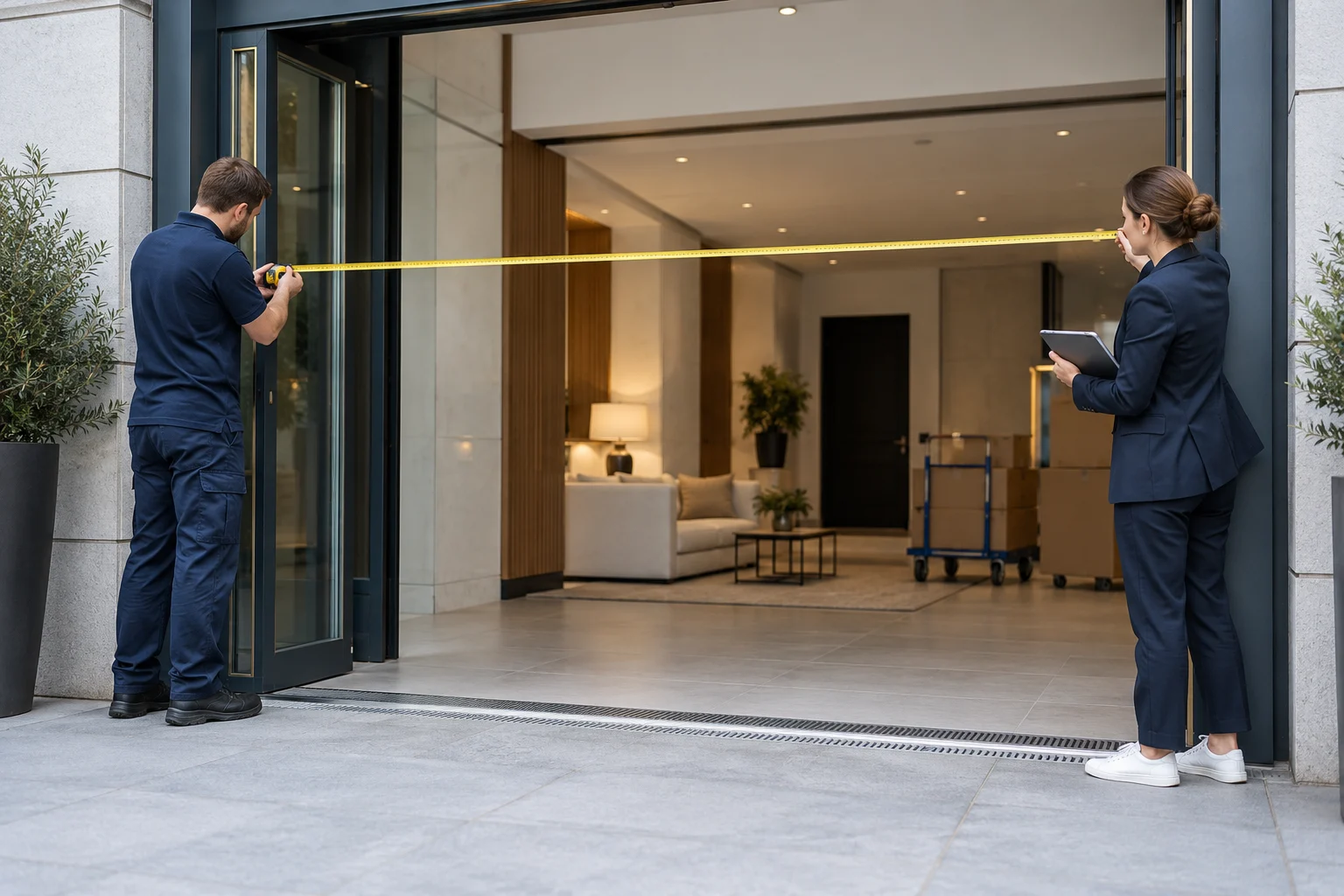
Walk from the largest room to the proposed legal vehicle position. Measure doors, landings, lift openings and any passage that forces a turn. A flat above shops may have several flights of stairs; another block may have a lift but a long corridor. Check how boxes can be staged without blocking a shared entrance.
At delivery, repeat the survey. A wardrobe that leaves a Catford ground floor can encounter a smaller receiving stair. Give floor levels and photographs of doubtful clearances. If building management requires lift booking or protective covers, obtain the details before promising a start time to the moving team.
Use Lewisham’s current kerbside process
Lewisham Council lists parking bay suspensions in its street-parking information, and its parking policy recognises domestic removals as a reason a bay may need temporary reservation. The council also publishes loading rules for ordinary resident and pay-to-park bays. Check which arrangement fits the exact road, vehicle and duration instead of assuming a general allowance will cover a long move.
If a suspension is sought, agree who applies and provide its confirmation to the mover. A private forecourt needs its owner’s permission; a public parking bay cannot be blocked off informally. Identify a lawful alternative if the nearest stop is unavailable, and tell the team what extra distance that would add. Check the destination authority separately.
Prepare bulky pieces for the narrow route
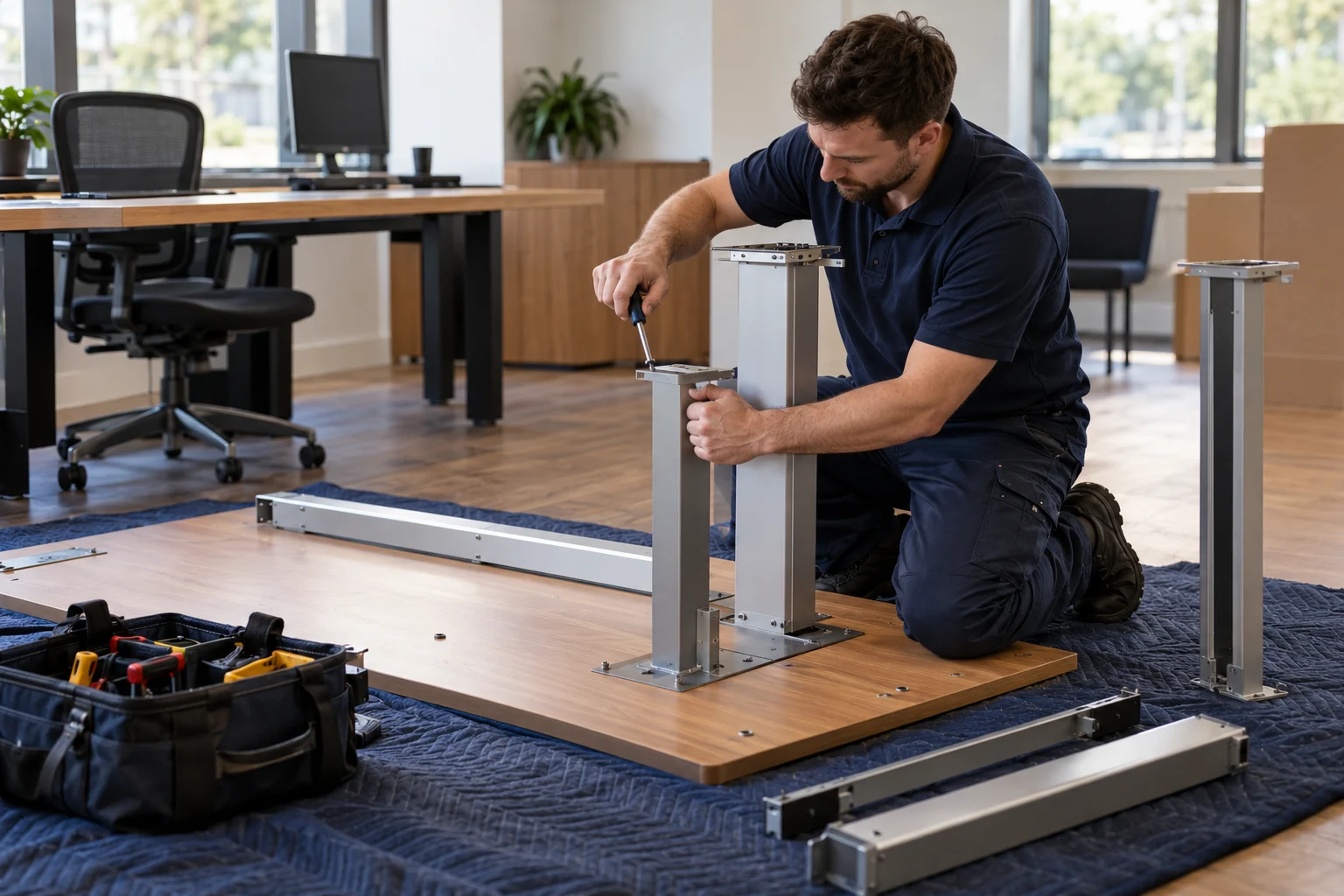
Measure a sofa with its arms and legs and compare it with both properties’ openings. Follow manufacturer guidance for beds or tables intended to come apart. Photograph the assembly and keep labelled fittings with the piece. Empty loose drawers and identify any delicate finish that could be marked during a stair carry.
If rebuilding is needed, raise furniture assembly as part of the scope. The room may be generous while the stair turn is not; measure the narrowest point. Describe glass, stone and unusually heavy objects so protection and handling can be considered in advance.
Pack without filling the entrance
Use compact boxes for books and protect fragile kitchenware individually. Close cartons and mark them with receiving rooms. Leave the hallway and front path open for furniture. A line of half-packed bags at the door can slow a collection more than a clearly stacked set of boxes inside a room.
For a Catford move that needs cartons or assistance preparing particular rooms, describe those tasks when enquiring about packing and boxes delivery. Explain what will already be ready. Keep keys, medicines and documents with you, and recount cartons after cupboards and garden storage are emptied. That final count should be shared before the move.
Describe every leg of a furniture collection
For a purchase from a Catford retailer or private seller, obtain the exact release door, contact, time window and item size. Ask whether it is boxed, wrapped or dismantled. A shop may use a back service entrance, while a seller’s flat may add stairs. Check lawful loading at collection as well as delivery.
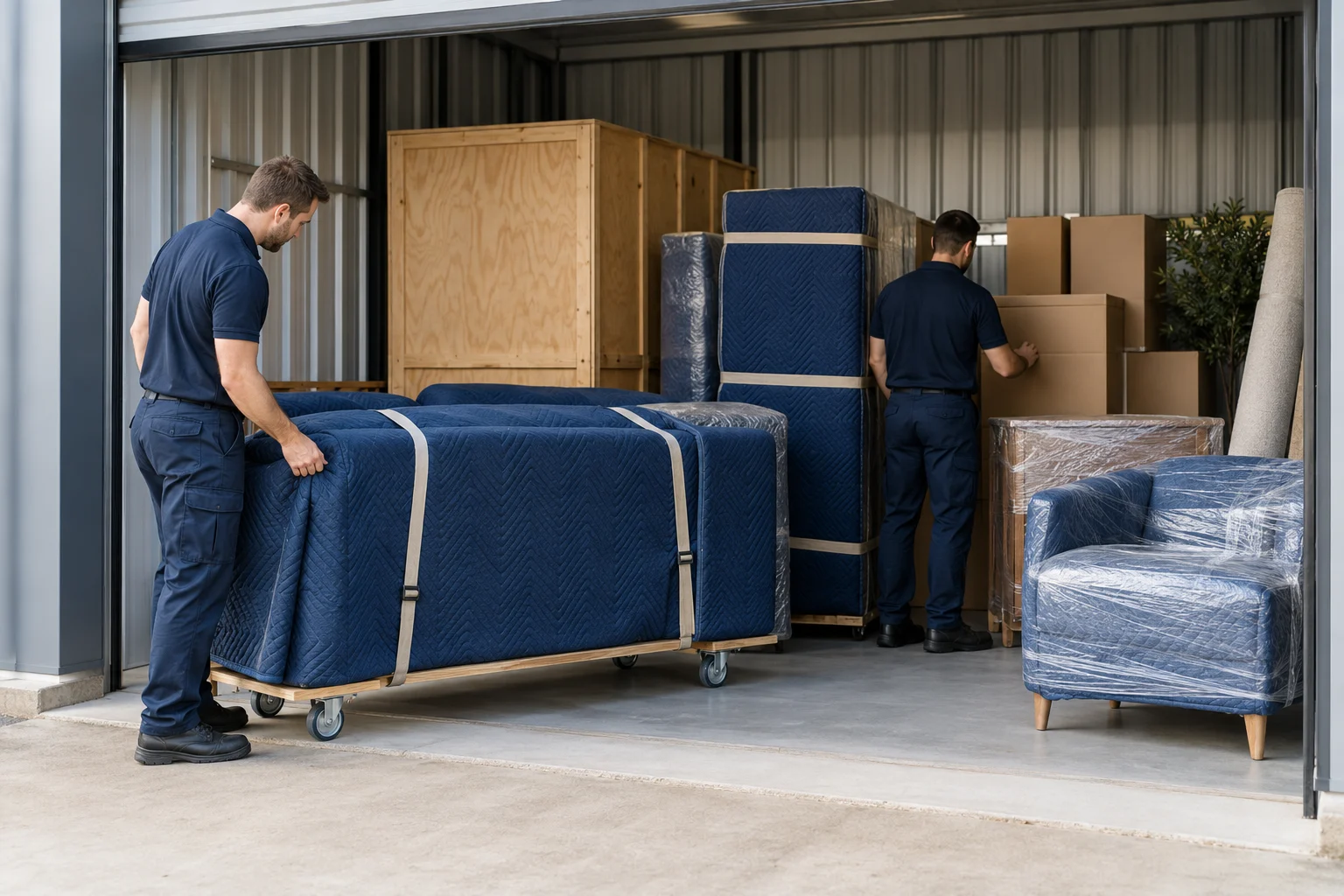
For one piece, discuss furniture delivery with both property routes. Provide the receiving room and its doorway measurements. If goods need to wait before the new address is available, ask about storage as a separate task with collection and return dates.
Settle the quote and the final handover
Send full addresses, moving date, itemised load, floor levels, access photographs and parking status. Mention any key timing or seller release that remains uncertain. Ask how waiting, extra goods or a changed stop would be treated. The opening Catford table helps confirm packing, dismantling, third-party fees and who obtains permissions.
At collection, identify what stays and check cupboards, loft and behind doors after loading. Retain keys and cleaning supplies for handover. At delivery, guide the largest furniture into place while the route is open. Compare the final unload with the agreed list and keep fittings with the correct pieces.
THE PRACTICAL QUESTIONS
What to confirm before booking.
Does town-centre work change every Catford road?
No. Check the exact street and current signs on your move date. The A205 and framework projects do not describe every residential approach.
Can Lewisham suspend a bay for a removal?
Its parking policy recognises domestic removals as a possible reason. Check the particular bay, application and approval before relying on it.
What if a flat is reached from behind a shop?
Give the real access door, floor, stair and distance to legal parking rather than only the shopfront address.
Should garden-store contents be included?
Yes. List them and explain any gate, steps or separate carrying path to the van.
Can a shop item be delivered to an upper floor?
Provide the release information, item dimensions and receiving stair or lift measurements so the route can be assessed.
What details improve a Catford quote?
Both full addresses, final inventory, property access, legal loading plans and any packing, assembly or storage work needed.
EXISTING NEARBY AREA PAGES
Plan the next part of the journey.
TELL US THE DETAILS
Move with a plan that fits your Catford address.
Have both addresses, your preferred date, item list and access details ready. Call BestMove to discuss the work and request a quote.