
URBAN MOVES · ELEPHANT AND CASTLE
Man and Van Elephant and Castle with access planned at both ends
Elephant and Castle brings different streets and buildings into one familiar name. An address near the London Road Underground entrance may have a different collection route from a flat beside Elephant Park or a delivery off New Kent Road. Southwark Council describes ongoing town-centre development, so memory of a vehicle approach is a poor substitute for current entrance details. Give BestMove the specific doors, floors and load before discussing a man and van move.

SMALLER LOADS, REAL DETAILS
The station name cannot identify your front door
TfL places the Underground station on London Road, SE1 6LW, with Bakerloo and Northern lines. That is a useful landmark, not a loading instruction. Identify the exact property entrance, any separate service door and the place a vehicle may legally stop; do the same for the destination.
Start with the whole load, not the postcode
Count cartons, suitcases, plants and loose household pieces as well as the sofa or bed. A small SE1 flat can hold a surprising amount in cupboards, a balcony locker or shared storage. Note unusually heavy boxes and give measurements for furniture that might not fit a lift. If a friend has a separate collection address, record that as an extra stop from the outset.
For a prepared selection of possessions, man and van may fit the discussion. A full flat or house clearance can call for home removals. The useful distinction is the actual work: volume, packing, dismantling, carrying route and final placement. Say which of those tasks you need rather than choosing by the label of the service alone.
Identify which entrance serves the flat
The TfL station address is on London Road, but nearby homes may face New Kent Road, Elephant Road or an internal pedestrian route. Give the building name only alongside its full street address and postcode. A navigation app can lead a van to the wrong side of a development. Ask the concierge or managing agent which entrance is used for furniture and whether the vehicle can reach it.
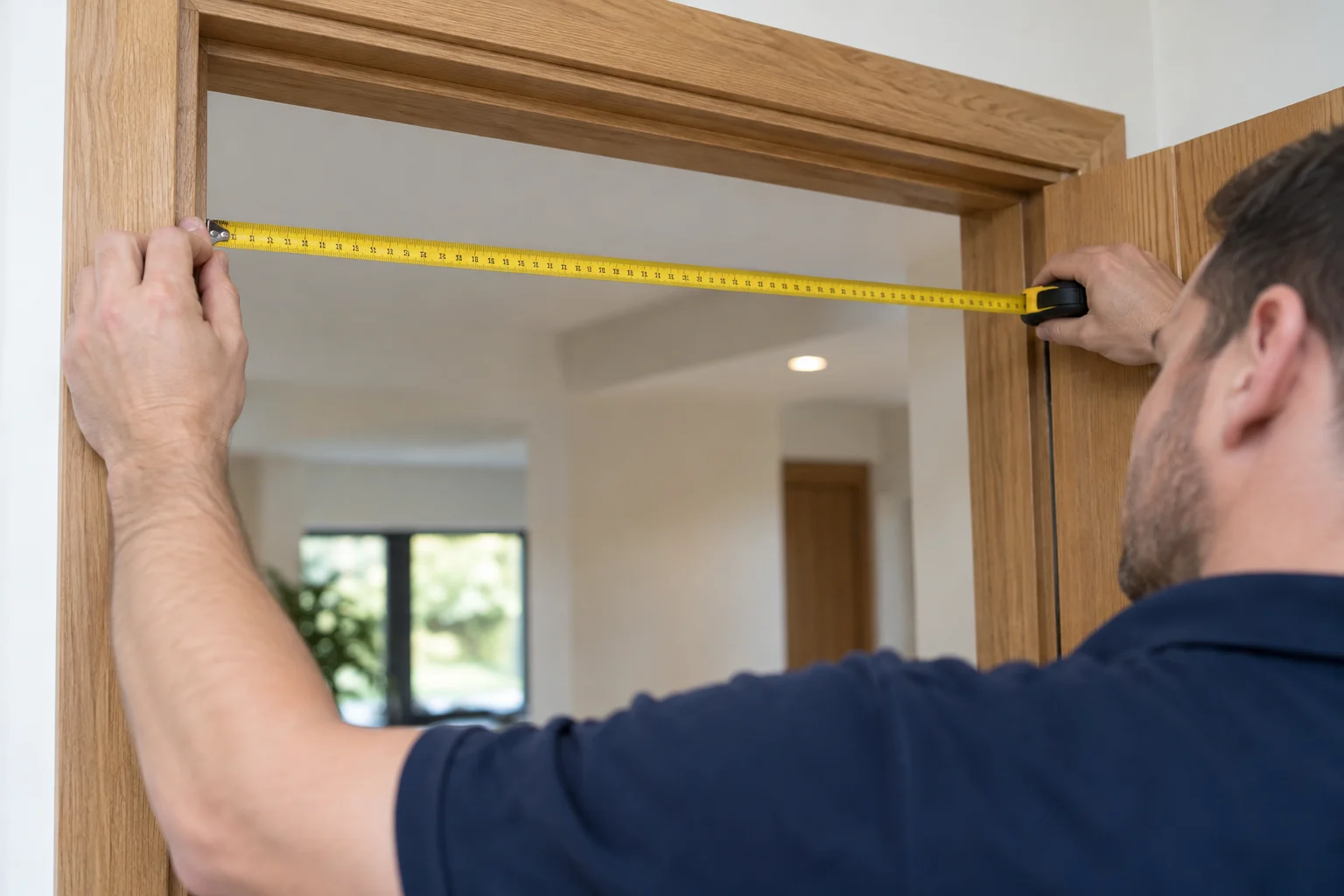
Map the trip from that point to the room: gates, steps, corridors, lift, fire doors and the final doorway. Measure the narrowest turn for a large item. At the destination, repeat the exercise independently. The shortest walking entrance is not always the permitted delivery entrance. An entrance photograph with a marked route is often more useful than a general picture of the building frontage.
ACCESS & LOADING
Crossing the town centre is only one part of the job
The practical route may start inside a managed development, cross a courtyard and end at a lift before the van moves at all. Record the carrying distance and any booked goods-lift window. If an on-street bay is needed, check Southwark’s current sign and suspension process for that exact space.
Check the precise on-street loading position
Elephant and Castle is a busy interchange rather than a single residential parking zone. Do not treat a nearby gap as a loading bay. Read the current signs and restrictions at the proposed position, including the hours. If a space must be reserved, Southwark’s parking-bay suspension service is the right place to ask about the particular bay and notice required. An approved arrangement still calls for a workable fallback.
A private courtyard or underground vehicle entrance has its own rules, distinct from the public highway. Confirm vehicle height, any barrier, booking process and whether loading is allowed there. Tell BestMove how far the legal stopping point is from the goods entrance. The carry can take longer than the drive to Borough or another nearby neighbourhood.
Give a goods lift a realistic time window
A managed block might require a reserved lift, protective lining or a named person to grant access. Ask for its usable internal dimensions and door width, then compare them with the longest furniture piece. Do not assume that a passenger lift may be used for a sofa. If the furniture needs dismantling, decide which pieces and keep the fittings with each item.
Arrange keys and access permission before the booked slot begins. A collection can stall if the lift is released late or a concierge cannot find the booking. At the new address, make sure the delivery window is compatible with the collection plan and travel time. If either building restricts hours, give the exact hours when requesting the quote rather than mentioning them on the day.

CHOOSE THE ARRANGEMENT
Elephant and Castle access questions by setting
| Location | Detail to record | Check with |
|---|---|---|
| Station-side flat | Exact residential door and floor | Occupant or agent |
| Managed development | Goods lift, courtyard and vehicle limit | Building manager |
| On-street loading | Bay sign, hours and possible suspension | Southwark Council |
| Purchased furniture | Seller door, dimensions and release time | Seller |
| New home | Room access and key handover | Recipient or agent |
Describe the entrance as carefully as the load
Send both postcodes, an item list, floor numbers and photographs of bulky pieces or tight turns. Add the permitted loading point and any building access window.
Pack for corridors as well as the van
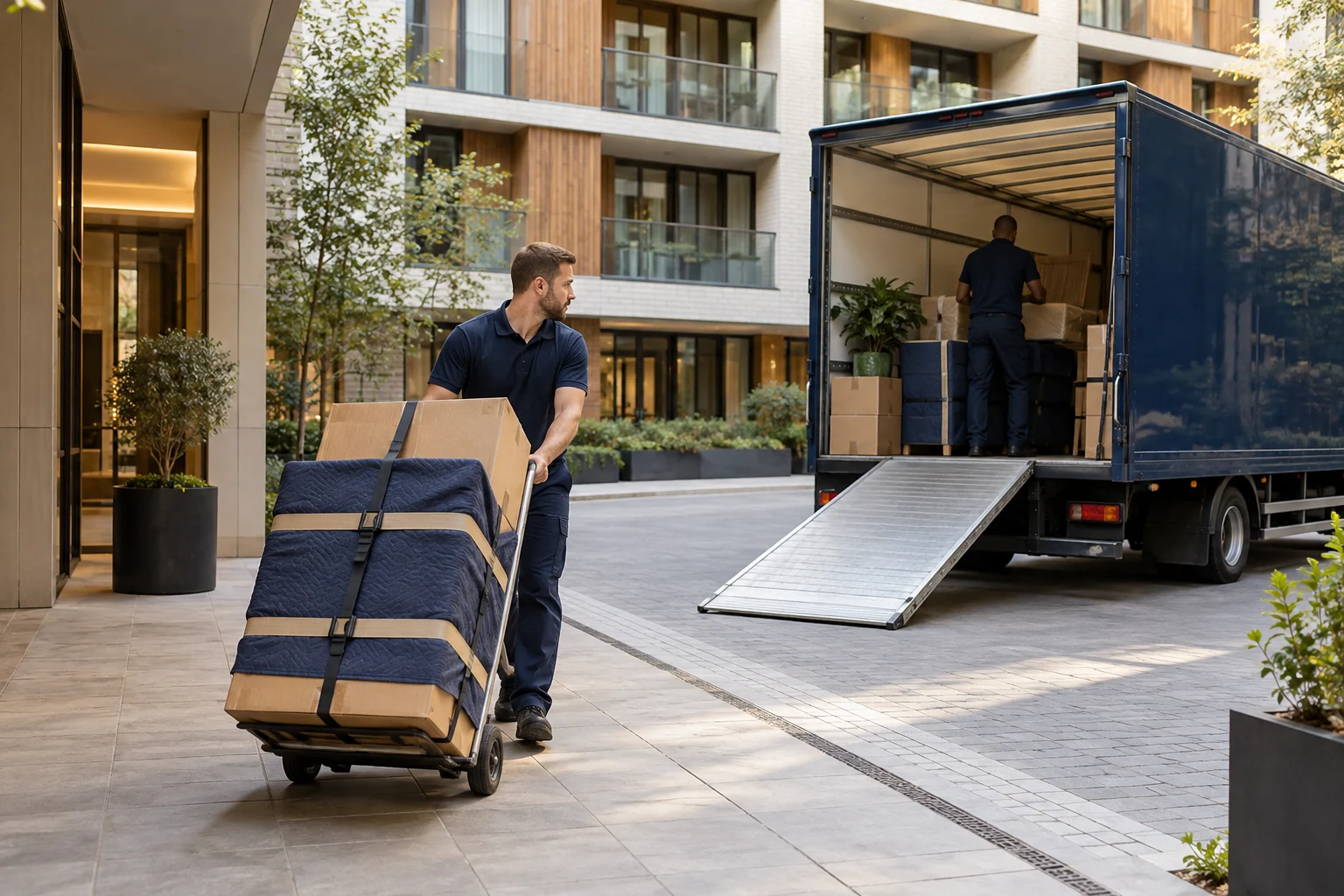
Use small, manageable cartons for books and secure fragile objects against movement. Label every box with its destination room, not simply ‘bedroom’ when there are several. Bag fixings and tape the bag to the matching dismantled piece where appropriate. Leave the route clear of unsealed cartons and scattered shoes before carrying starts.
For selected rooms or fragile contents, discuss packing and boxes delivery in advance. Ask the building manager whether floor or lift protection is required. Keep documents, keys, medicine and a first-night bag with you. A packed, labelled load helps make use of a limited loading or lift window without turning the entrance into a sorting area.
Treat a seller collection as its own access problem
A purchased wardrobe or desk may be waiting in an upstairs flat, shop or storage room. Obtain dimensions, weight if known, exact seller address and the time it can be released. Ask whether it is already dismantled and whether packaging is supplied. At your delivery address, measure the final room doorway; fitting through the van door is only the middle of the job.
See furniture delivery for a single bulky purchase and mention assembly if it will need rebuilding. A collection on the way to an Elephant and Castle flat changes timing and may require another lawful stopping position. Include it in the original route, rather than asking for an extra pickup after a quote has been agreed.
Make the written scope match the real route
Send an item list and a realistic box count. Include floor levels, lift dimensions, carrying distances, the proposed vehicle point and who will arrange any permission. Add dates for keys, access windows and a contact for each building. Photographs of the largest furniture and narrowest doorway let a quote describe the work more accurately than ‘one-bedroom flat near the station’.
Compare quotes against the same scope. Ask what is included for packing, furniture protection, dismantling, extra stops and waiting if a lift is unavailable. The table below helps gather access details; it is not a price list. If the destination is in Walworth, check its own bay signs and building route rather than carrying assumptions from the Elephant end.
Finish with a room plan at the new address
Clear the delivery corridor and decide where large furniture should be placed before it arrives. A lift booking is wasted if the intended room is full of unlabelled boxes. Keep fitting bags and basic tools accessible for pieces requiring reassembly. Check fragile items and the box count against the list as the load is placed.
If keys will be released later than the collection must finish, discuss a separate storage arrangement with dates and handling scope. Do not assume a van can remain at a busy town-centre location indefinitely. Tell BestMove as soon as a seller, manager or key handover changes the plan so the access sequence can be reconsidered before travel begins.
THE PRACTICAL QUESTIONS
What to confirm before booking.
Does the Underground station address identify the loading point?
No. TfL lists the station on London Road, but nearby homes can have different residential and service entrances. Supply the property address and approved vehicle position.
How do I check a bay near Elephant Road?
Read the current sign for the exact space. Ask Southwark Council about a suspension if a specific bay is needed, and plan another lawful option.
What if my development requires a goods lift booking?
Share the booked hours, lift dimensions, protection requirements and access contact before the move is arranged.
Can a move include a seller pickup elsewhere in SE1?
Include the seller’s full address, release window, item dimensions and access route as a separate stop in the first enquiry.
Should I measure furniture before requesting a quote?
Measure bulky pieces and the narrowest doors, stair turns and lift opening at collection and delivery. Photos help explain awkward routes.
What should I keep outside the van?
Carry keys, medication, important documents and immediate essentials separately, then check that labelled belongings reach the intended rooms.
EXISTING NEARBY AREA PAGES
Plan the next part of the journey.
TELL US THE DETAILS
Move with a plan that fits your Elephant and Castle address.
Have both addresses, your preferred date, item list and access details ready. Call BestMove to discuss the work and request a quote.