
URBAN MOVES · BOROUGH
Man and Van Borough for careful moves around SE1 entrances
Borough can mean a flat beside Borough High Street, a conversion towards Borough Market or a newer building nearer the station. Southwark Council’s conservation guidance describes a mix of older shopfronts and warehouses, while TfL places Borough Underground station on the High Street. The practical moving address is still the particular residential entrance, not the landmark. BestMove can discuss a compact flat move or furniture collection when both the load and the legal stopping place are clear.
SMALLER LOADS, REAL DETAILS
A Borough flat may have its door around the corner
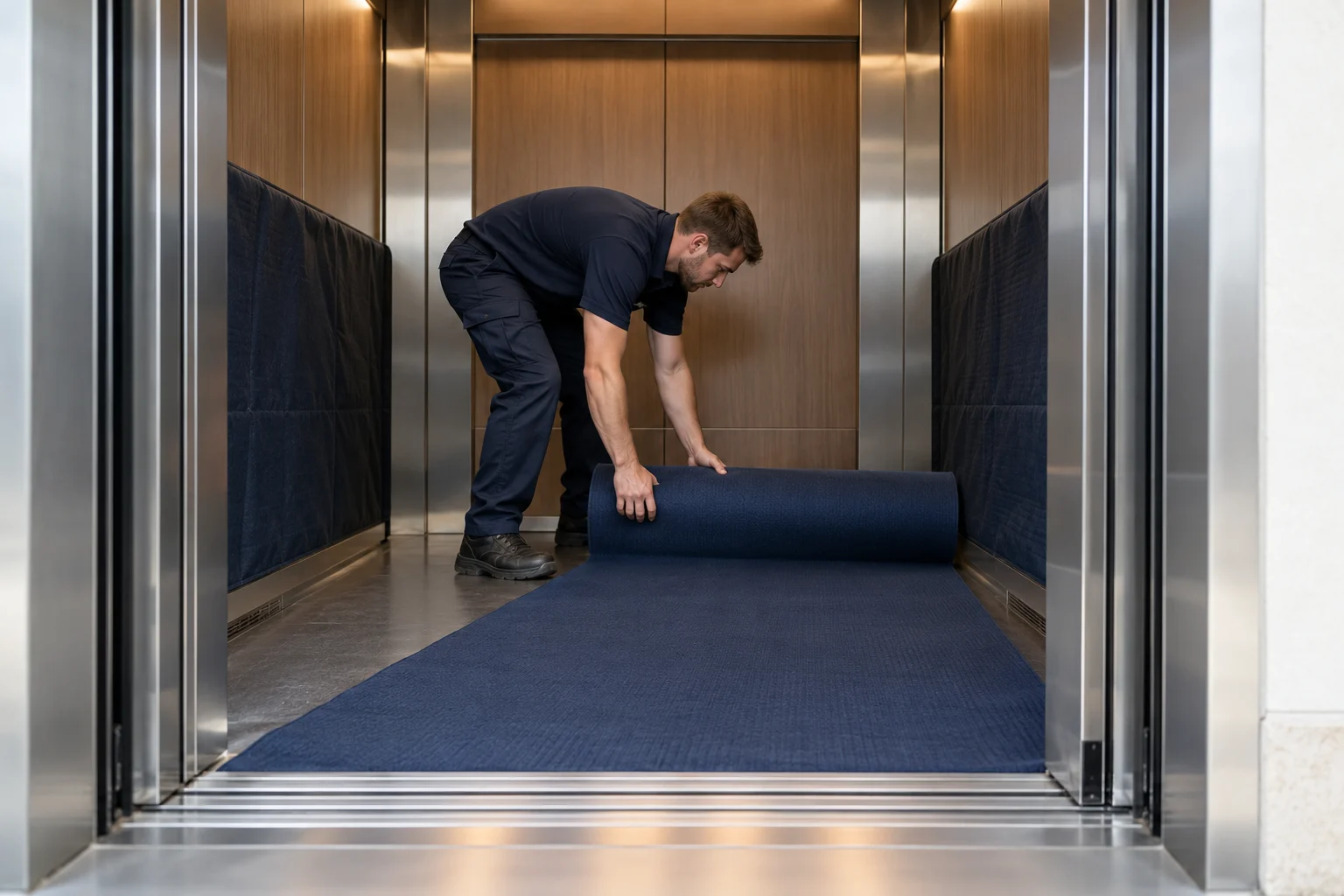
Give the full SE1 address and the actual access used for bulky belongings. An upper-floor home above a shop may have a rear or side entrance, and a managed building may have a separate goods lift. Measure the carrying route and check the kerbside rules before choosing a time.
Turn a small flat into a complete inventory
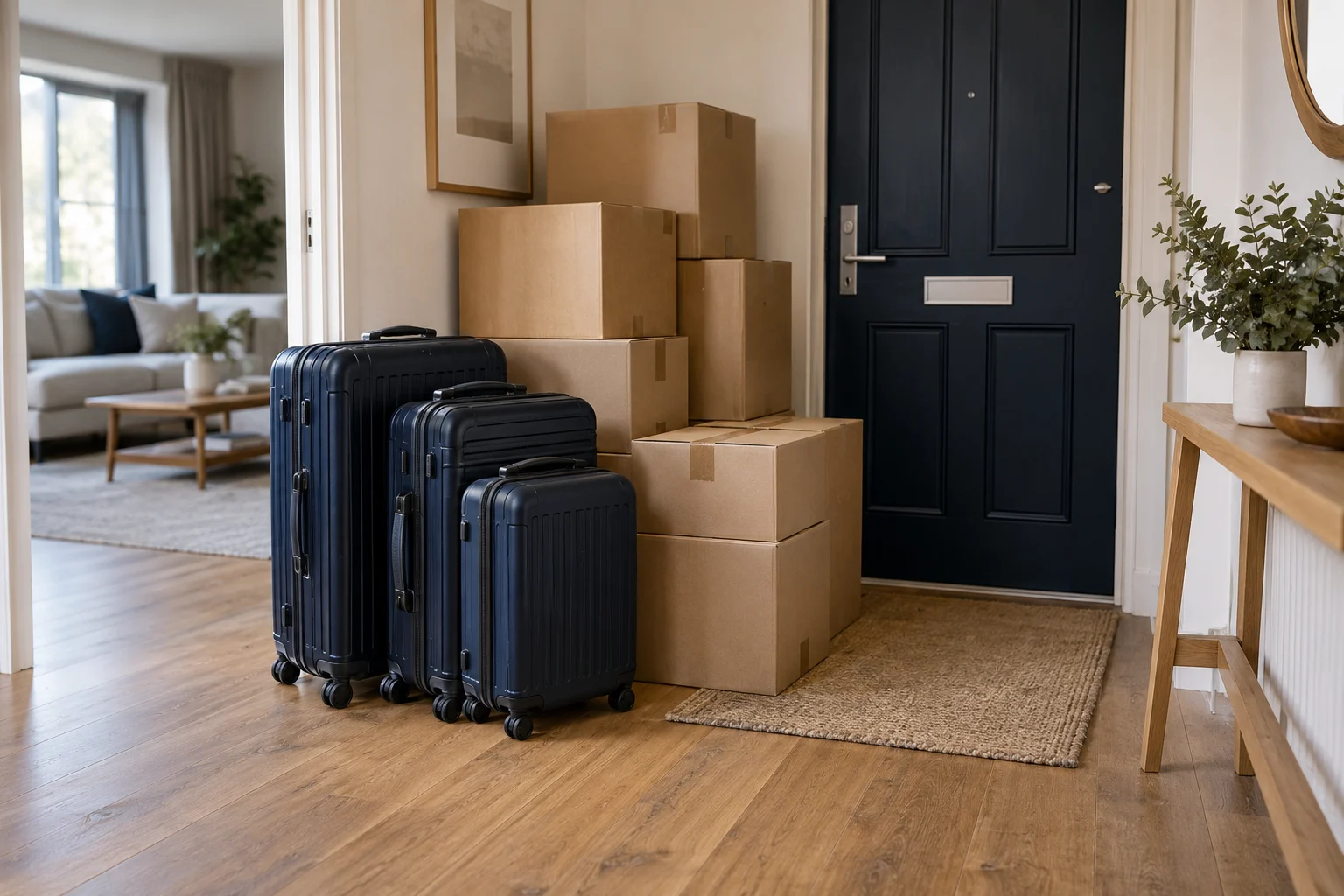
A studio or one-bedroom flat can hold a bed, desk, dining chairs, books, plants and kitchenware beyond the first estimate of ‘a few boxes’. List each bulky piece and count the cartons after cupboards are packed. Include items in a basement locker or another property. If a purchased piece will be collected on the way, treat its seller address as a separate stop rather than hiding it in the furniture count.
The man and van service is a starting point for a prepared smaller load. A full household may warrant a home removals discussion, especially when packing and furniture handling are involved. Describe the work and access rather than relying on the flat’s number of rooms. The inventory should include what cannot fit into a carton.
Locate the residential door behind the landmark
Southwark’s Borough High Street conservation description includes older shops, pubs and small warehouse buildings. An upstairs residence may use a different door from the ground-floor commercial frontage. Give the exact entrance, floor, door code and any courtyard or loading access. TfL lists Borough station at Borough High Street, SE1 1JX, but that station address cannot tell a driver where your belongings are waiting.
Measure the route from room to a lawful van position: stair width, landing turns, lift dimensions and the pavement carry. If a building manager controls the goods lift or service door, confirm its use before promising access. Repeat the measurements at delivery, where a long cabinet or sofa may face a narrower turn. Photographs of the difficult points help explain the job clearly.
ACCESS & LOADING
Borough High Street is only part of the route
TfL locates Borough station on Borough High Street; Southwark’s conservation area reaches towards London Bridge and Borough Market. Streets around the market, railway arches and residential blocks differ in access. Southwark allows applications to reserve bays for removal vans, but the exact bay, timing and current signs must be checked.
Make a lawful Borough loading plan
Southwark Council says a parking bay may be suspended to reserve space for a removal van or loading. It asks for notice and places a warning sign before an approved suspension. That process applies to a specific bay, not all SE1 kerbs. Read current signs and restrictions at both addresses, and check whether a road or private development has separate rules. Do not assume a market-side service lane is available to a residential move.
If the nearest lawful spot is farther away, estimate the carry for repeated box trips. A trolley route can be interrupted by steps or a narrow gate, so inspect it rather than relying on a map. Agree who will arrange permission and what alternative is possible if the intended place is occupied. Keep pedestrian crossings, business deliveries and shared entrances clear.
Pack for a narrow stair or lift
Use small boxes for books and well-cushioned cartons for glass and ceramics. Close and label them by destination room. Keep furniture fixings in named bags with their parts, and check whether a bed or table can genuinely be dismantled. A loose collection of bags is hard to stack safely in a tight hall; include every bag in the item list. Keep keys, important documents and first-night supplies under your own control.
If you need packing materials or help, specify which rooms and fragile items are involved. Ask the building manager whether floors or lift walls require protection. Do not stage cartons in a communal escape route while waiting for the vehicle. Preparing the load inside the flat helps make use of a fixed bay or lift slot.
CHOOSE THE ARRANGEMENT
The Borough details to settle before collection
| Situation | Information to supply | Decision to make |
|---|---|---|
| Upper-floor flat | Correct side door, stairs or lift | Carrying method |
| Street collection | Exact bay, signs and backup spot | Parking permission |
| Market-area purchase | Seller time, loading door and dimensions | Collection sequence |
| Complete household | Cartons, furniture and packing needs | Scope and vehicle |
| Managed delivery | Lift slot and receiving contact | Arrival timing |
Describe both SE1 entrances before calling
Share the rooms, furniture dimensions, building rules and proposed van position. Include any seller or storage stop so the full journey can be discussed.

Treat a shop purchase as its own collection
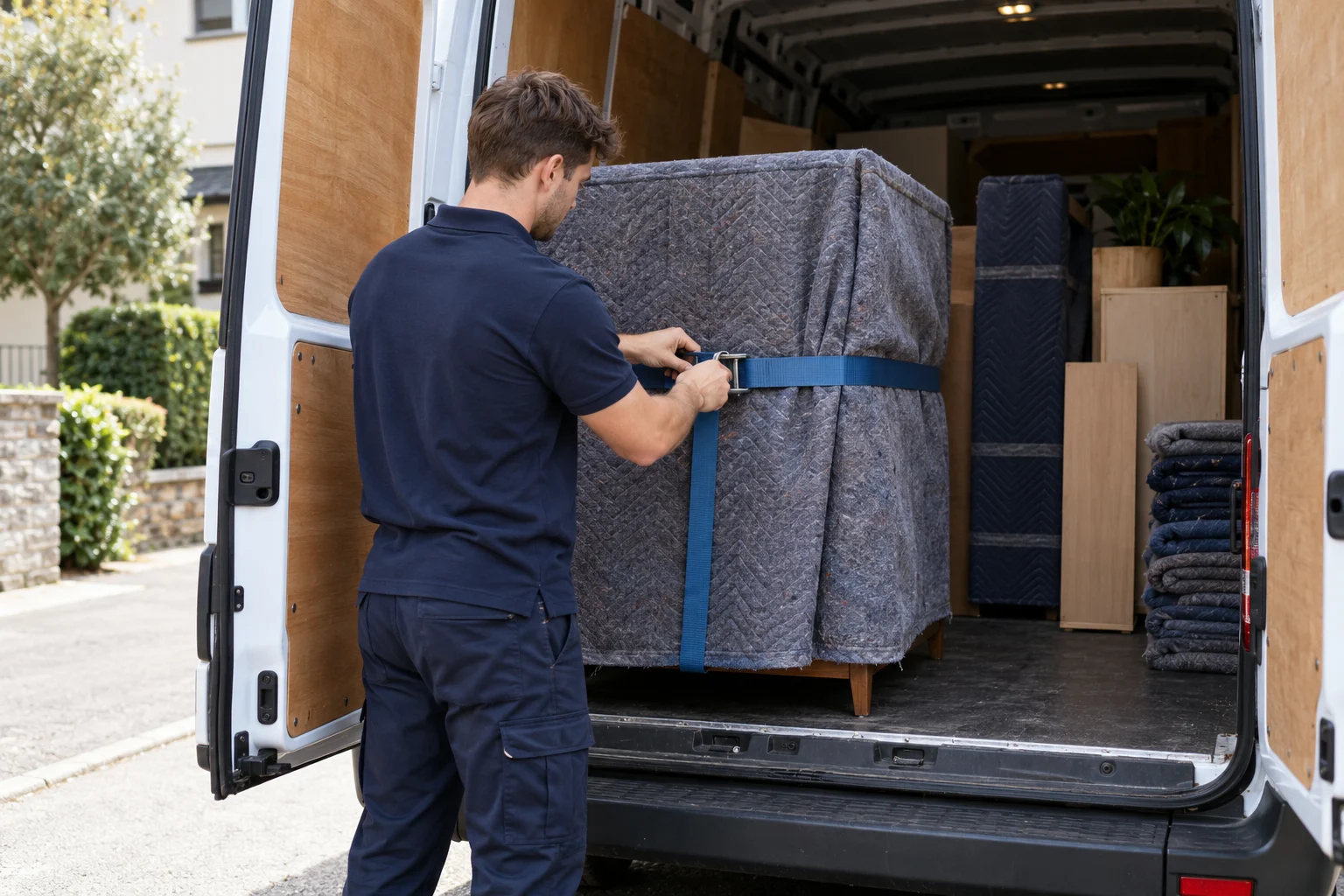
A cabinet from a retailer or seller near Borough Market needs a release window, collection contact, dimensions and packaging details. The entrance used to receive customers may not be the loading door. At the destination, confirm whether the piece fits the lift and which room should receive it. A single item can be awkward when it must turn through an older stair.
Read about furniture delivery for a substantial purchase. If a table or shelf needs assembly, include that request before a quote is agreed. A stop added to a wider move affects the route and loading time even when it is geographically close to the first address.
Coordinate the whole SE1 journey
Confirm when the collection property can be entered and when destination keys are released. Ask about lift reservations, concierge notice and any service-yard hours. If the move crosses to Waterloo or Elephant and Castle, check the destination street independently. A short drive does not ensure an easy carry at the other end.
Give the order of any additional stops and the contact for each. A seller’s release time or storage closing hour can determine the sequence more than distance does. Tell BestMove if the route changes. The working plan should contain the exact doors, not just ‘Borough to Southwark’.
Ask what has been included in the quote
Send both postcodes, a complete list, approximate box count, photographs of large pieces and the likely van positions. Add the floors, lift or stair route, carrying distance, packing work and any dismantling. Identify which permissions are confirmed and which remain pending. The difference between a lift beside a loading bay and a fourth-floor carry from another street is material.
The table below is a prompt for that conversation, not a fixed tariff. Compare written scopes that cover the same tasks, including waiting and an extra collection if relevant. If the inventory changes, send the update before move day. A seemingly low figure is not useful when it omits the work needed at a particular Borough entrance.
Receive furniture without blocking the new home
Clear the delivery path and choose rooms for the largest pieces before unloading starts. Leave room to assemble a bed or table and keep its fittings together. Check whether the destination lift booking covers the realistic arrival window. Labelled cartons can be carried to the right room rather than stacked in a corridor that the furniture still needs to pass.
If keys or a tenancy date make immediate delivery impossible, discuss storage separately with collection and return dates. Do not assume the van can wait with the load indefinitely. At the end, check that the fragile items and essentials are placed where you can find them on the first evening.
THE PRACTICAL QUESTIONS
What to confirm before booking.
Is Borough station the loading address for every SE1 flat?
No. TfL places the station on Borough High Street, but residential entrances vary. Give the full property address and actual door.
Can Southwark reserve a bay for a removal van?
Southwark allows applications for bay suspensions for removals. Check its notice period, eligibility and the exact street before making a plan.
Can a van use a market service lane?
Do not assume so. Check the property’s specific access and obtain permission from the road authority or private manager where needed.
How do I describe a conversion above a shop?
Give the residential entrance, floor, stair or lift route and measurements for large furniture. A photograph of the side door can help.
Can one purchased cabinet be collected?
Discuss the seller’s release time, loading door, cabinet dimensions and the destination route, including any assembly required.
What if the destination keys are late?
Explain the expected handover window before booking. If collection and delivery cannot align, discuss a separate storage or timing arrangement.
EXISTING NEARBY AREA PAGES
Plan the next part of the journey.
TELL US THE DETAILS
Move with a plan that fits your Borough address.
Have both addresses, your preferred date, item list and access details ready. Call BestMove to discuss the work and request a quote.