
RESIDENTIAL MOVES · CHARLTON
Man and Van Charlton for a move planned from the door
Charlton Village and the streets below it do not present one standard moving route. The Royal Borough of Greenwich describes a narrow village high street on the escarpment and residential roads falling away to the north. A van may reach one front door easily and need a very different approach at the next. BestMove can discuss a man and van move once you provide the actual addresses, belongings and likely loading positions, including the route inside each property.
AT HOME IN CHARLTON
Charlton changes level between the village and station
The station is on Charlton Church Lane in SE7; it is a landmark, not a loading instruction. Check the exact property entrance and the slope or steps between it and a lawful stopping place. Then repeat the exercise at the destination before setting a collection time.
Start with the right part of Charlton
The council’s Charlton Village conservation appraisal describes a tightly enclosed high street and residential streets descending north from the higher ground. That is useful context, but it cannot tell you the width of your own doorway or which side of the road serves a flat. Give the full street, postcode and entrance.
TfL lists Charlton rail station on Charlton Church Lane, SE7 7QG. Do not use the station as a substitute address for a home that is several streets away. If you are moving towards Woolwich or Greenwich, provide the full delivery address too. Ask the person at the destination to confirm stair and loading details, rather than assuming a nearby journey means similar access.
Measure the route, including changes in level
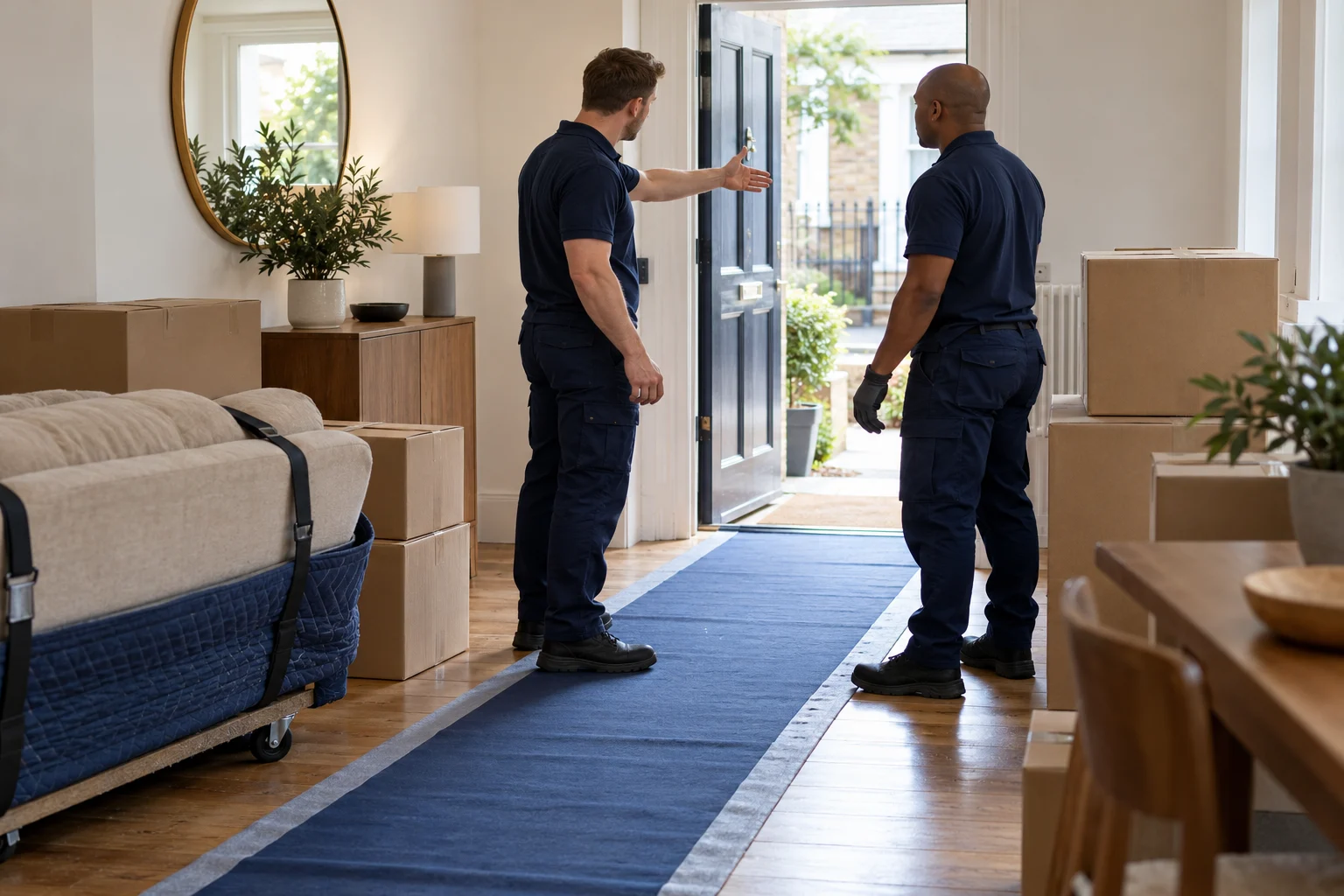
Walk from each room to the likely van position while thinking about the largest item. Count stairs and note sharp turns, low ceilings, steps at the front door and a sloping path. Measure door and lift openings for a sofa or wardrobe; an unfurnished room can look spacious while its access is tight. Send photographs of any doubtful point.
Some homes have a side or rear entrance that works better for bulky pieces, but check whether it can actually be used and whether there is a lawful place to load beside it. On a shared path, leave enough width for residents and agree any building arrangements. For a full household inventory, discuss the scope through home removals.
QUOTE CHECKLIST
Charlton move details to confirm before the date
| Part of the move | What to provide | What to settle |
|---|---|---|
| Address | Both doors and postcodes | Approach route |
| Levels | Steps, slopes, floors and lifts | Carrying plan |
| Furniture | Large sizes and fragile pieces | Protection and assembly |
| Parking | Signs and possible van position | Permission and distance |
| Timing | Keys and extra collections | Sequence and changes |
PROPERTY & PACKING
Check parking permission rather than assuming space
Royal Greenwich says a controlled-zone permit does not guarantee a parking place or a space outside the home. A permit also has vehicle conditions that may not match a removal van. Read the signs on the exact road and confirm whether it is a public bay, an estate road or private land.
The council administers parking dispensations and bay suspensions, but the appropriate request depends on the street. Ask about a reserved bay if one is essential, allow time for a decision and share the confirmed details with BestMove. Do not leave boxes on the pavement to claim space or assume another resident’s permit covers a commercial vehicle. The receiving property may be under another authority.
Give furniture the protection it needs
Record sofas, bed frames, dining tables, cabinets and mirrors individually. Measure the awkward pieces and identify removable parts. A tall unit may need a different carry on a sloped path or narrow stair than a boxed item of similar weight. Tell the team about glass, fragile joints and polished finishes so protection can be discussed in advance. Empty drawers and secure loose shelves before the piece is lifted.
If disassembly is needed, ask about furniture assembly when arranging the work. Photograph less familiar fixings, put screws in labelled bags and keep them with the relevant furniture. Do not dismantle a piece until you know it can be rebuilt at the new address. The destination’s doors and stairs matter too; a piece that exits Charlton whole may not enter a smaller room elsewhere without a different plan.
Pack the house for carrying, not display
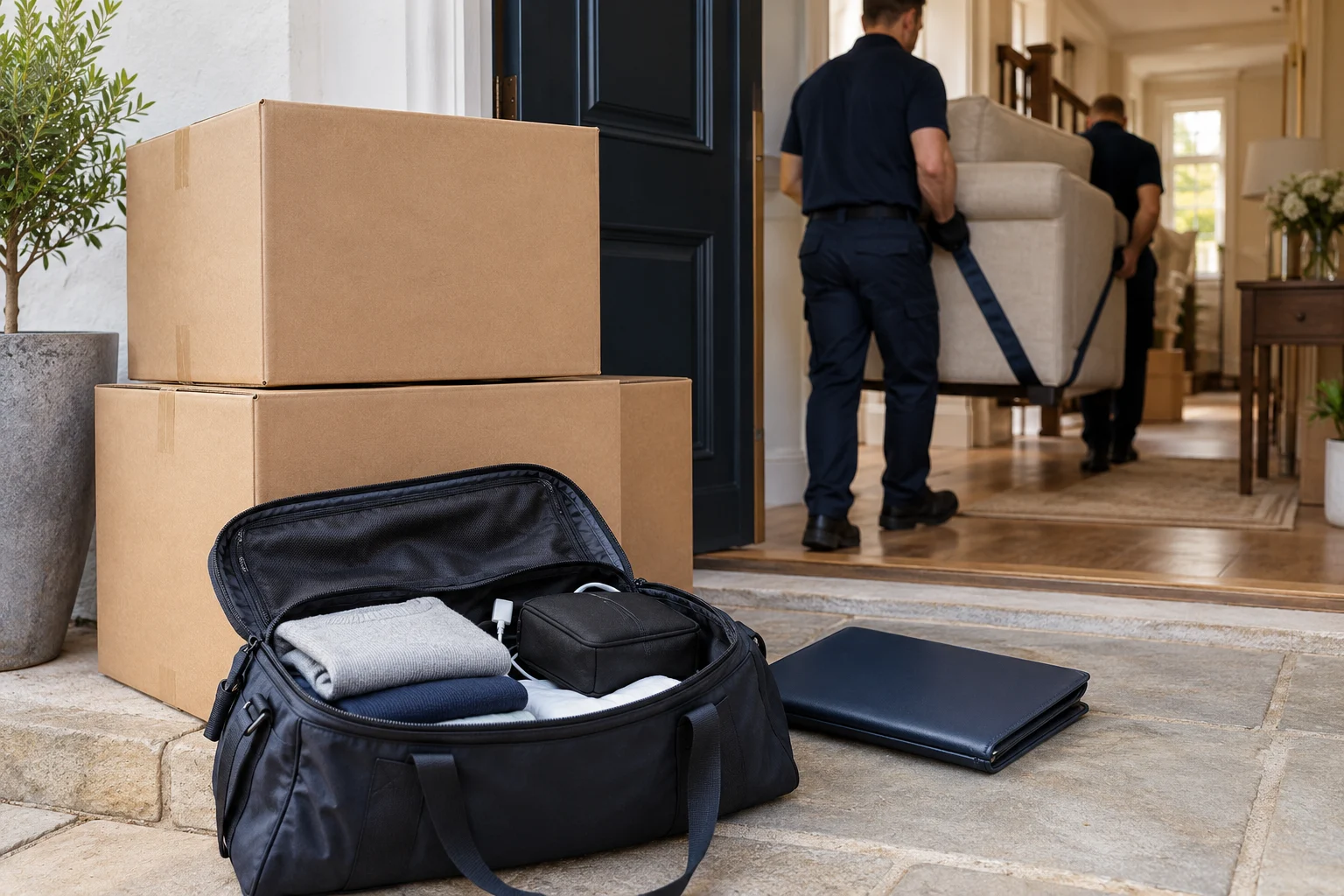
Dense belongings belong in small cartons that can be closed and carried securely. Wrap crockery individually, cushion empty spaces and label the room each box should reach. Put essentials, medicines, identity documents and valuables aside. A hill or staircase makes open bags and overfilled boxes particularly unhelpful. Keep the inside route clear so the team is not stepping round half-packed objects while carrying furniture.
Ask about packing and boxes delivery if you want help with fragile rooms or need suitable materials. State how much is finished and what still requires attention. Separate items staying behind, particularly in rented or furnished property. Check cupboards, outdoor stores and loft space before finalising the inventory.
Describe a small move honestly
A few cartons and one dismantled bed may be straightforward, but an upper-floor flat with a long carry is not defined by the number of items alone. Count every heavy or unusual piece and note an additional collection, even if it lies on the route. The vehicle and team should be discussed against the real load and access.
For one item bought elsewhere, use furniture delivery as the starting point. Give the seller’s collection window, item dimensions, floor and contact. If the job includes dismantling or a second stop, mention it before confirming timing with the seller. A complete home move needs a wider inventory, packing position and key handover plan. Avoid asking for a price under an incomplete service label.
Read the quote against the actual work
Provide both postcodes, the number and type of belongings, floors, stairs or lift, likely van positions and preferred date. Explain who will pack and whether furniture must be taken apart. Ask how waiting for keys, a changed item list or a blocked loading place would be handled.
The table is a checklist rather than a published price list. Parking permission or third-party charges should be clear, as should any extra stops. Compare quotations only when they describe the same work. An offer based on stopping outside the door is not equivalent to one that has allowed for a carry up a sloping street.
Finish the collection and prepare the destination
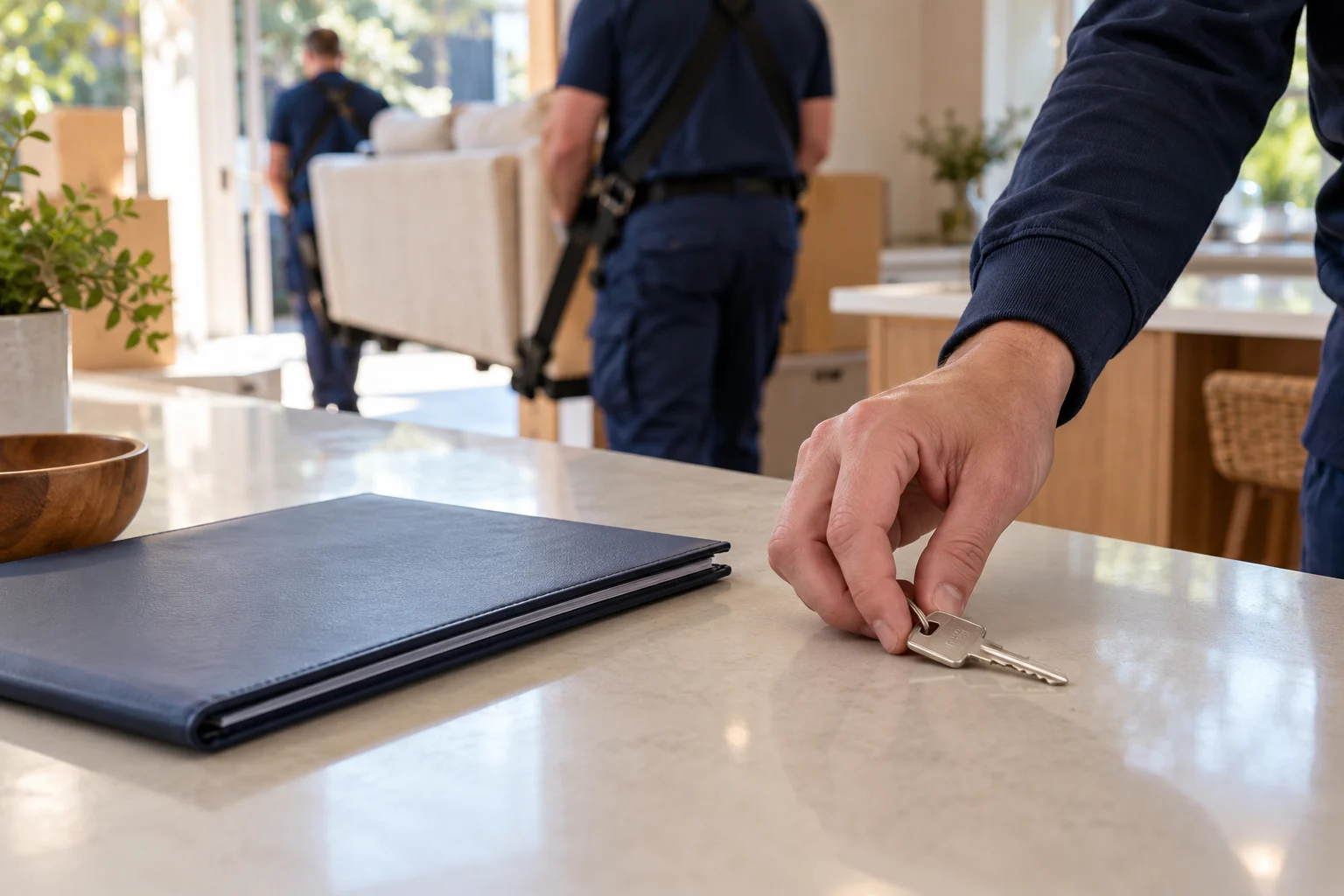
Before the move, close cartons, clear the carrying route and decide which belongings stay. Confirm any bay or building arrangement and give a named contact who can open gates or communal doors. Inspect cupboards and storage before locking the old home. Keep keys and essential documents with you.
At the new home, have a simple room plan for heavy pieces. If the destination is Greenwich, Plumstead or Eltham, inspect its signs and entrance on their own terms. Call BestMove with the complete item list and two door-to-van routes so the quote covers the work at both ends, not just the drive between them.

THE PRACTICAL QUESTIONS
What to confirm before booking.
Does a Greenwich resident permit reserve a bay for my van?
No. Royal Greenwich says a permit does not guarantee a space outside the home. Check the actual road and whether a separate arrangement is needed for a removal vehicle.
Are Charlton Village and Charlton station equally easy to load from?
They are different locations. The council describes a narrow village high street above descending residential streets; the station is on Charlton Church Lane. Inspect the actual property and proposed stopping point rather than generalising.
Can you move furniture down a narrow staircase?
Give the floor, landing measurements and size of the furniture before booking. Photographs help discuss protection or agreed dismantling. The delivery route needs the same assessment.
What if I only have a small load?
List the cartons and every piece of furniture, then describe stairs and carrying distance. A small load with difficult access still needs a suitable team and timing plan.
Can you collect a sofa from a second address?
Supply the seller’s window, contacts, sofa dimensions and access at both ends. Confirm the additional stop and handling in the quoted scope before setting a fixed collection time.
What should be ready before collection?
Close and label boxes, clear the route, separate items staying behind and confirm any building or parking arrangement. Keep keys, medicines and important papers with you.
EXISTING NEARBY AREA PAGES
Plan the next part of the journey.
TELL US THE DETAILS
Move with a plan that fits your Charlton address.
Have both addresses, your preferred date, item list and access details ready. Call BestMove to discuss the work and request a quote.