
COMPLETE MOVING SUPPORT · BECONTREE
Man and Van Becontree for a clear home-to-van plan
Becontree is a broad residential area, and the address alone may not reveal where furniture should leave the property. A house may have a gate and path between the rooms and road; a flat may involve stairs or a communal entrance. The historic estate, local shops and Becontree station are useful landmarks, but a moving plan must follow the exact street and door. BestMove can discuss a room, a whole household or a small workplace load once the contents and both carrying routes are described.
THE SCOPE BEFORE THE QUOTE
Becontree access starts at the actual property
| Setting | Information to gather | Point to confirm |
|---|---|---|
| Estate house | Gate, path and doorway | Furniture carrying route |
| Flat | Floor, stairs and common door | Shared access |
| Roadside | Signs and lawful space | Vehicle position |
| Small workplace | Crates and equipment | Handover sequence |
| Receiving home | Keys and unloading point | Arrival plan |
Describe the home rather than the estate name
Barking and Dagenham’s Becontree Estate design guidance describes the scale and regular layout of the historic housing area. That does not mean every home has the same access. Give the precise house or flat number and tell the team whether the useful door is at the front, side or through a shared entrance. Walk the route from the largest item to a lawful place for the vehicle.
Measure a gate and any turn along the path if a sofa or wardrobe must pass through it. Ask whether a garden route belongs solely to the property or needs a neighbour’s permission. In a flat, give the floor and staircase width. One Becontree street can contain several different carrying routes, so photographs and dimensions are more helpful than a general area description.
List every item that is actually travelling
Count furniture, appliances, sealed cartons, loose bags and items kept in a shed or loft. A garden tool or bicycle is easy to overlook when preparing an indoor list. Measure bulky pieces and decide whether a bed or table can be dismantled safely. Keep the parts and fixings labelled so they can be located at the destination rather than mixed into a box of unrelated contents.
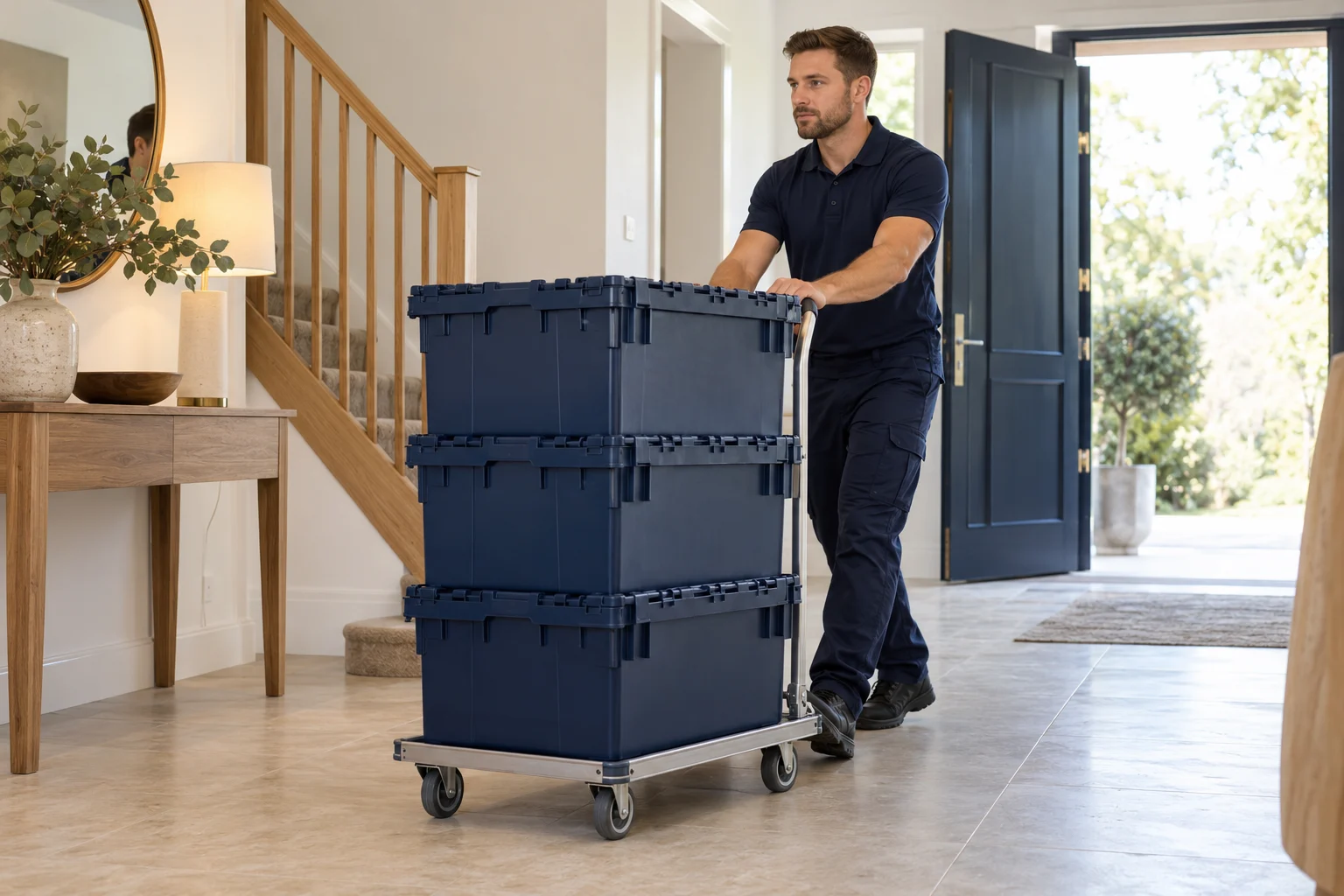
For a defined smaller load, discuss man and van help. If most of a furnished home is moving, explore home removals with the full inventory. The choice depends on labour and volume as well as travel distance. Keep medicine, keys, documents and personal valuables separate from the goods to be loaded.


PROTECTION & EQUIPMENT
From the path to the destination room
Check the real roadside stopping place
The station at Gale Street is on TfL’s District line, but it is not a loading address for homes across Becontree. Inspect the actual road, current signs and distance from the chosen door. Do not assume a wide-looking street gives permission to occupy a bay or block a driveway. If a particular space is essential, check the council’s current parking and suspension arrangements for that exact position.
A lawful stop farther along the road changes the number of carries and the time needed. Note a crossing, railing or alley between the vehicle and house. If the property has a drive, check whether the owner permits use and whether the van can turn or leave without obstruction. The receiving address needs its own parking check, even for a move within the same borough.
Prepare cartons to protect the route
Use small boxes for dense books and kitchen items, pad breakables and mark each destination room. An open crate can spill along a garden path or stair. Close cartons before the van arrives and keep a clear space inside the home for furniture to pass. If a shed is part of the move, sort what can safely travel with household contents and identify anything needing separate advice.
Ask about packing and boxes delivery before the date if several rooms remain unfinished. Say what the team will find ready, and flag glass, pictures or electronics individually. A prepared load makes a gate or shared entrance easier to manage because the carrying order can be set instead of changed each time an unsealed bag appears.
Give a local workplace its own list
A small Becontree office or shop may have desks, records and display furniture rather than ordinary household contents. Agree who will disconnect computers, safeguard business data and release keys. Label crates by the room or workstation they will reach. If an entrance is shared with customers, establish when items can be taken through without blocking normal access.
Discuss office removals for a coordinated workplace handover, especially when several desks or equipment groups are involved. A service entrance may have a different height or timetable from the front door. Ask the receiving building who will admit the team and where each crate should go; do not leave equipment in an unsecured corridor while staff decide later.
Plan the receiving street as a new job
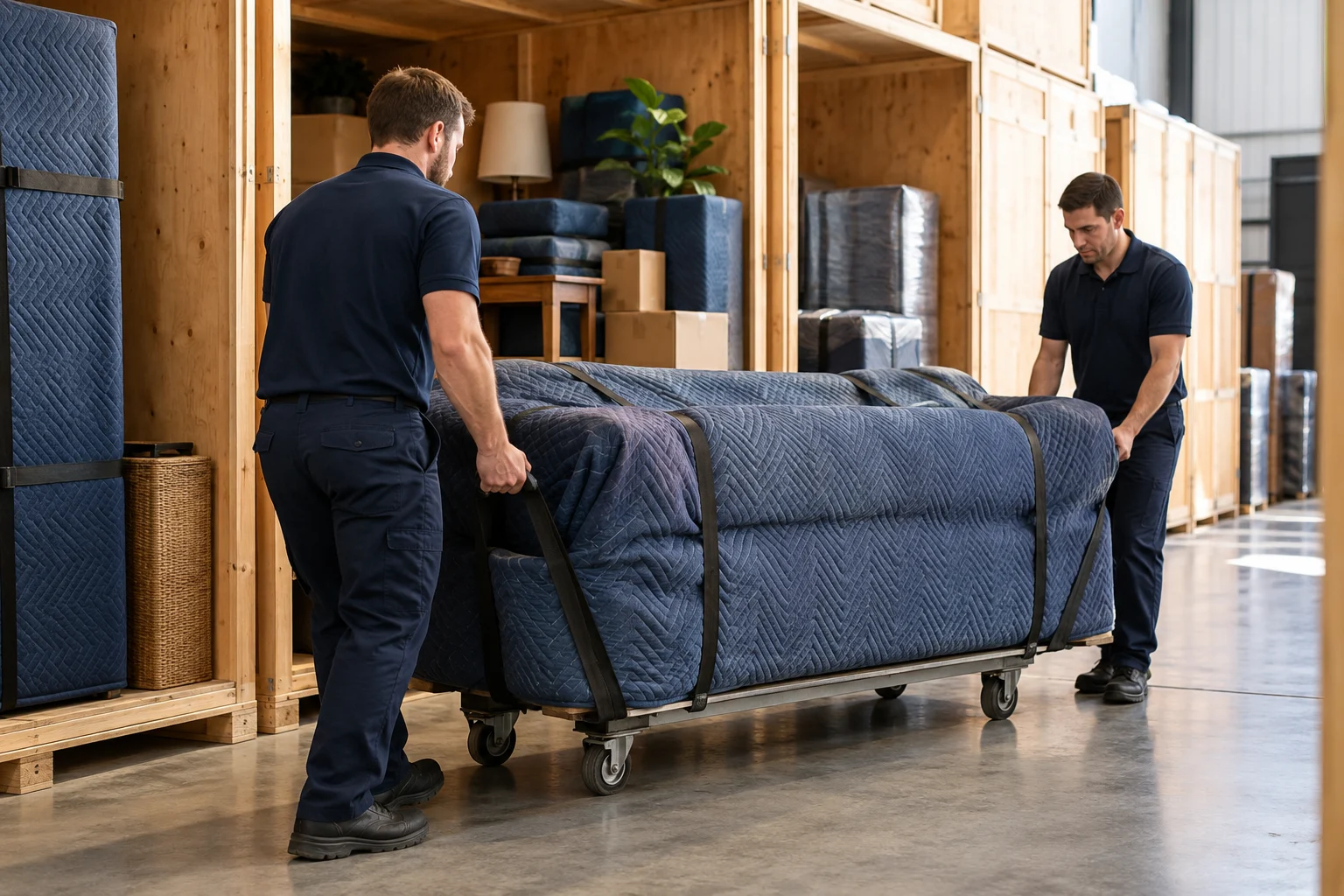
A journey towards Dagenham, Barking or East Ham may be short, but the receiving door could sit behind another gate or above a shop. Check its floor, stairs, van position and keyholder independently. Tell the team if the new home has a smaller doorway than the one being left. Select a room for large furniture before it is carried through the property.
The Dagenham and East Ham pages offer nearby context. Mark cartons by destination room and identify anything needed immediately. If a second address receives only part of the load, specify the items and access there in advance. A second stop can affect loading order even when it adds little mileage.
Handle a gap in dates deliberately
Write down when the current property must be empty and when the new keys are available. Check whether a landlord inspection, seller appointment or lift booking fixes part of the day. A van cannot unload into a locked home just because the journey was brief. Keep contacts at both addresses and share any uncertainty before a collection time is confirmed.
When the dates cannot meet, discuss storage as a separate stage, including how the contents would return. Do not count on leaving furniture in a shared hall, on a front path or in a vehicle while waiting for keys. Keep daily essentials with you and check lofts, sheds and under-stair cupboards before the old property is handed over.
Make the estimate describe the complete route
Provide both full addresses, furniture dimensions, box count and the floor at each property. Add gate widths, steps, stairs and the likely lawful vehicle position. Mention whether packing, dismantling or workplace equipment is included. A house with a long garden path may take more carrying than a flat with a vehicle immediately by its entrance.
The opening table gathers the facts for an enquiry; it is not a tariff. Confirm what work is included and update BestMove if the inventory or access changes. A newly discovered shed load or unavailable driveway can alter the plan. The most useful Becontree brief follows every piece from its present room to its next one.
THE PRACTICAL QUESTIONS
What to confirm before booking.
Does every Becontree home have the same access?
No. The estate covers many properties. Give the exact door, gate, stairs and route to a lawful van position instead of assuming a typical layout.
Can garden and shed items join the move?
List them separately with sizes and any handling concerns. Check what can safely travel with household belongings and include the shed in the access plan.
Is Becontree station a suitable pickup point?
The station is a landmark, not the collection address. Provide the property’s complete street address and its permitted moving entrance.
What if a sofa will not fit through my garden gate?
Measure the piece and gate before the move. Check another authorised route or discuss safe dismantling if the furniture is designed for it.
Can an office load be moved from the area?
Describe desks, records, equipment and the responsible keyholders. Agree who disconnects devices and where each item belongs at the new premises.
What if my new property is in East Ham?
Give the receiving address, floor, keyholder and lawful unloading place separately. Nearby does not mean the same entrance or parking restrictions.
EXISTING NEARBY AREA PAGES
Plan the next part of the journey.
TELL US THE DETAILS
Move with a plan that fits your Becontree address.
Have both addresses, your preferred date, item list and access details ready. Call BestMove to discuss the work and request a quote.