
MOVING ADVICE
A practical plan for your moving week
Moving week becomes easier to manage when decisions have owners and the order of work is clear. This guide concentrates on the final days before a London household move: confirming access, finishing packing, protecting essential routines and leaving enough room for changes. Use it as a working schedule, adjusted to your household and the actual arrangements agreed with everyone involved.
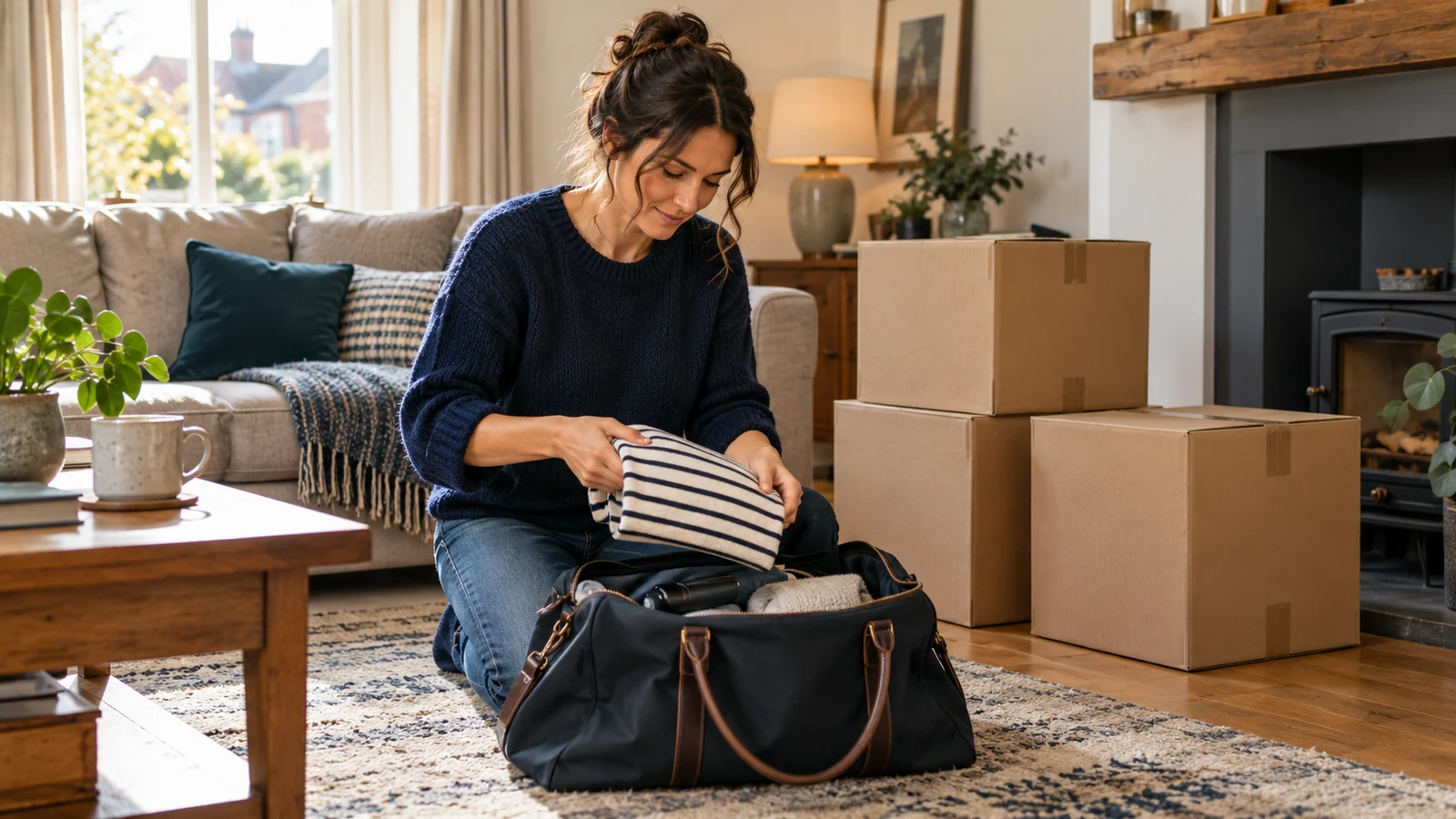
Start the week with a realistic readiness check
Walk through every room and list the work still outstanding. Count unpacked cupboards, identify furniture needing attention and note decisions that depend on somebody else. Schedule the work you actually have, rather than copying an ideal timetable that assumes the house is already packed. Put the tasks in a shared note or on paper where the people helping can see them.
Confirm the inventory and access details with the team handling your home move. A room that has become a box store since the original conversation may change the load. Tell the team about additions before moving day, including garden furniture, loft contents or an extra collection. Assign one person to maintain the latest plan so several relatives do not send conflicting instructions about addresses, times and furniture.
Confirm the route to both front doors
Check the practical route from each property to a legal loading position. Note stairs, entrance codes, lift arrangements, shared corridors and doors that need to be held open. Access belongs in the schedule because it can require other people’s cooperation. Speak to a building manager about any booking or protection requirements rather than assuming a lift is available whenever you arrive.
Where parking arrangements are needed, establish who is responsible and check the relevant local authority or property rules directly. Do not treat a space outside a front door as automatically available for a removal vehicle. Share the details through your moving contact, including any limits on the time a vehicle can remain. Keep phone numbers for the person who can actually open a gate or resolve a building access problem on the day.
Give packing a clear finish line
Divide packing into things that can go now and things needed until the last evening. Work through cupboards completely rather than starting several rooms and leaving loose objects everywhere. Finish and label each box before starting another where practical. The label should identify its destination room and any handling information that genuinely helps, without replacing suitable protection inside.
Arrange any remaining packing help or materials while there is still time to confirm availability. Avoid improvising with damaged cartons simply because the date is close. Keep boxes manageable and describe particularly awkward objects to the moving team. Leave cleaning products and everyday essentials outside the main packing sequence until you know where they will travel. A visible ‘do not load’ area can help, provided everyone understands its purpose.
Deal with furniture before the final evening
List the furniture that cannot pass through the available route in its current form. Find instructions, remove loose contents and agree who will deal with disassembly. Decide responsibilities before tools come out; a moving team should not first hear about an unfamiliar fitted unit when the vehicle is waiting outside. Keep the parts plan beside the inventory so fittings do not disappear into unrelated boxes.
Ask about furniture assembly arrangements for the new address as well as dismantling at the old one. A bed needed on the first night deserves an explicit plan. Do not make bedrooms unusable earlier than necessary if people still need to sleep there. Check what must remain accessible for work, caring responsibilities or school, then position the furniture tasks around those needs instead of trying to finish every room at once.
Separate household routines from moving tasks
Write a short plan for food, transport, children, pets and essential medication. These arrangements need named people just as much as the furniture does. Protect the ordinary parts of the day that cannot wait while boxes are being carried. Keep personal travel independent of the removal vehicle unless a specific arrangement has been confirmed; do not assume passenger space is available.
If a small separate load will travel by man and van, make its contents and handling requirements clear. Avoid dividing one essential setup across several journeys without a list of what must arrive together. For example, the laptop, charger and work documents should have a planned route. Keep keys and valuables with the responsible person rather than adding them to the last open box because the house is becoming busy.
Coordinate cleaning around the last collection
Cleaning works best when rooms are accessible and the remaining furniture is accounted for. Discuss the required scope and the expected state of the property with whoever is responsible for the handover. Allow a genuine empty-property window where the plan requires one. If furniture remains, explain what it is and ask what can realistically be completed around it.
Coordinate end of tenancy cleaning with the actual collection and inspection arrangements. A cleaning appointment and a moving appointment are separate commitments unless they have explicitly been linked. Keep cleaning equipment needed for last small jobs out of the load until the plan is clear. Photograph the property at an appropriate point and retain any paperwork requested for the tenancy process, without assuming a particular service guarantees the outcome of a deposit decision.
Keep a usable fallback for timing changes
Identify the decisions that would change if keys are late, a collection is delayed or the new property becomes inaccessible. Write down who can authorise an alternative and what must be confirmed before it is used. A fallback is an agreed option, not a guess that somebody will find a solution once the vehicle has been loaded. Ask how changed instructions should be communicated during the move.
If temporary storage may be needed, discuss suitability, availability and access before the final day. Do not assume every load can be held without notice. Keep an overnight bag and essential documents separate in case you cannot unpack immediately. Consider how a changed delivery date affects furniture assembly, cleaning, personal travel and work commitments; the best fallback covers the household’s needs as well as the location of its boxes.
| Workstream | What to confirm |
|---|---|
| Access | Loading position, doors, stairs and lift |
| Packing | Remaining rooms and essential bag |
| Furniture | Dismantling, parts and assembly |
| Handover | Cleaning window, key holder and inspection |
Questions worth asking.
What should I confirm at the start of moving week?
Confirm the inventory, addresses, access, loading arrangements, main contacts and any furniture work. Check which tasks depend on a building manager, cleaner or key holder. Give each outstanding decision an owner so several people do not assume somebody else has already dealt with it.
When should I pack everyday essentials?
Keep a separate bag or clearly marked area for the things needed during the final night and first day. Pack other belongings room by room. Essentials might include medication, documents, chargers, basic toiletries and clothes, but the right list depends on your household.
How do I fit cleaning into the move?
Work backwards from the handover requirements and the actual collection plan. Tell the cleaning team what furniture will remain and when rooms will be accessible. Leave time to check the property and keep cleaning and moving contacts informed if either appointment changes.
What is a useful contingency for delayed keys?
Discuss the possibility with the people responsible for the property transaction and the move. Clarify who will give instructions and ask about available alternatives. Keep essentials with you and establish any storage arrangements in advance; availability and charges need confirmation.
PUT YOUR PLAN INTO PRACTICE
Planning your own move?
Have your postcodes, preferred date and item list ready. Call BestMove to discuss the service and the details that will shape your quote.